
HVAC Installation in Island Pond, VT
Tell us about the house, and a licensed contractor who covers Essex County will get in touch.
Tell us about the job
It takes about a minute.
Island Pond asks a new system to heat for ten months straight
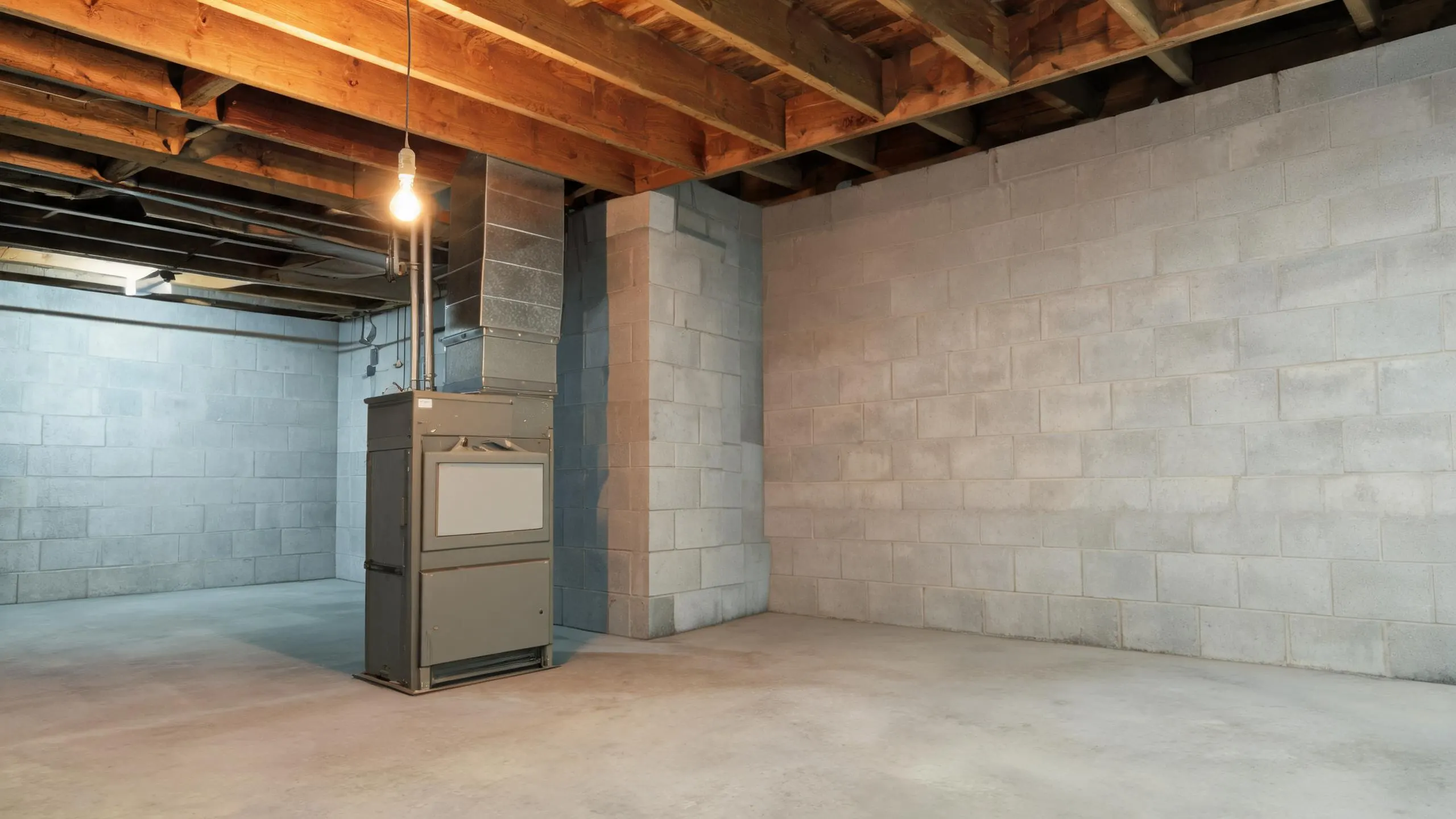
Winter nights here average 8°F from December through February, and homes need heat from September through June. That is ten months of the year a furnace or heat pump has to work, with only a short stretch of summer afternoons near 74°F where it can rest. A new system has to be sized for real cold, not mild cold, because 8°F nights are not the exception here, they are the season.
Over half the homes in the area heat with fuel oil, so a lot of what gets installed has to work alongside or replace an oil-fired setup. Power matters too. In Vermont, 21% of households went at least 24 hours without power in 2024, and this area has logged 33 winter storms and 40 damaging wind events over the past ten years. Whatever gets installed should come back on by itself once the power does.
- 10 months
- September through June, your system heats
- 8°F
- the average winter night it heats against
- 74°F
- the average summer afternoon it cools against
Vermont has no state license for HVAC contractors.
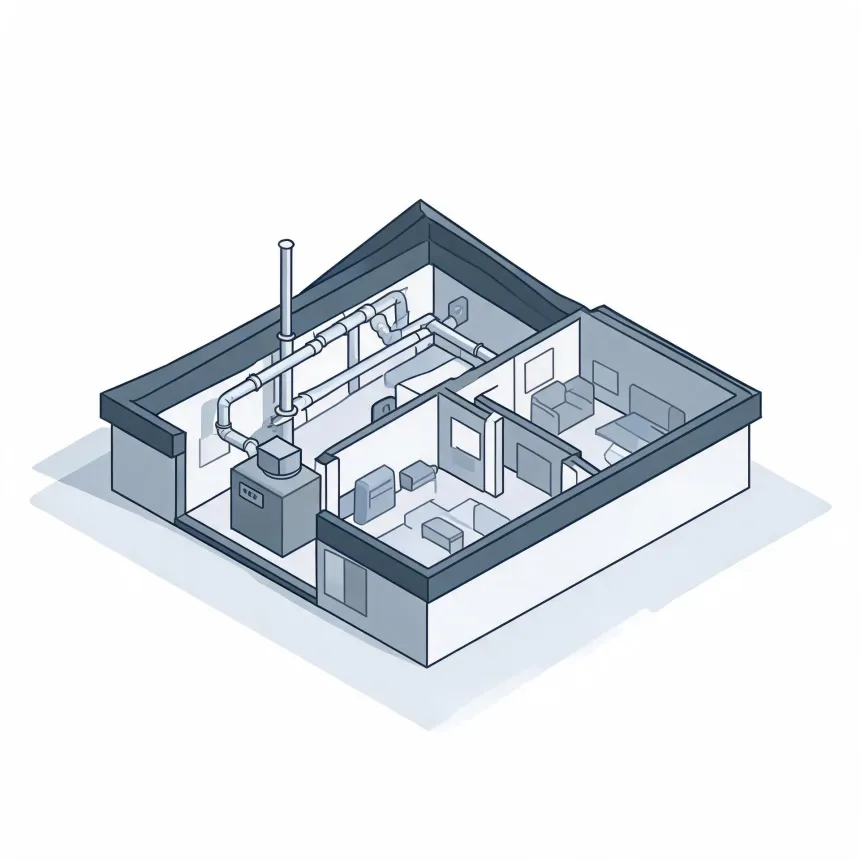
There is no state board behind an HVAC contractor here, no test to pass and no record kept in Montpelier. That is true for every home job in Vermont, including a full system installation like this one. What stands between you and a bad job is not a license number, because none exists to check.
For this installation, the protection comes from the local building office instead. Most cities and towns require a permit before a furnace, air conditioner or heat pump goes in, and an inspection once the work is done. That inspection is what checks the installation here, not a state license. The permit and inspection are local, and in Vermont they are what stands in for one.
Source: Vermont Department of Public Safety, Division of Fire Safety
- When should I replace my HVAC system?
- Replace it when repairs stop making sense or the system can't keep up anymore. A furnace or air conditioner that needs a major part, like a heat exchanger or a compressor, usually costs more to fix than to replace once it's gotten old. Rising bills for no clear reason, uneven heat through the house, or a system that runs constantly are also signs it's wearing out. Heat is needed here from September through June, and a furnace that fails on an 8°F night leaves you with no time to shop around, so it's worth having a contractor look at an aging system before it fails rather than after.
- Should I replace my furnace and air conditioner at the same time?
- If they're close in age, replacing them together usually makes sense. A furnace and air conditioner installed at the same time wear out around the same time, and the air handler or coil often has to match the rest of the system to work correctly. If one fails years before the other, a contractor can still install just that piece, but they'll check that the parts you keep are compatible with what's new. Either way, a contractor looking at both systems can tell you what fits your house.
- What happens during an HVAC installation?
- A contractor removes the old equipment, sets the new furnace, air conditioner or heat pump in place, and connects it to the ductwork, gas or electrical lines, and venting the system needs. They'll check that the ducts are sized right for the new equipment, test the system once it's running, and walk through how it operates. Because replacing this kind of equipment needs a permit from the local building office in most cities and counties, the job also includes an inspection once the work is done. A contractor can walk you through what your specific installation will involve.