
HVAC Installation in Newport, VT
Tell us about the house, and a licensed contractor who covers Orleans County will get in touch.
Tell us about the job
It takes about a minute.
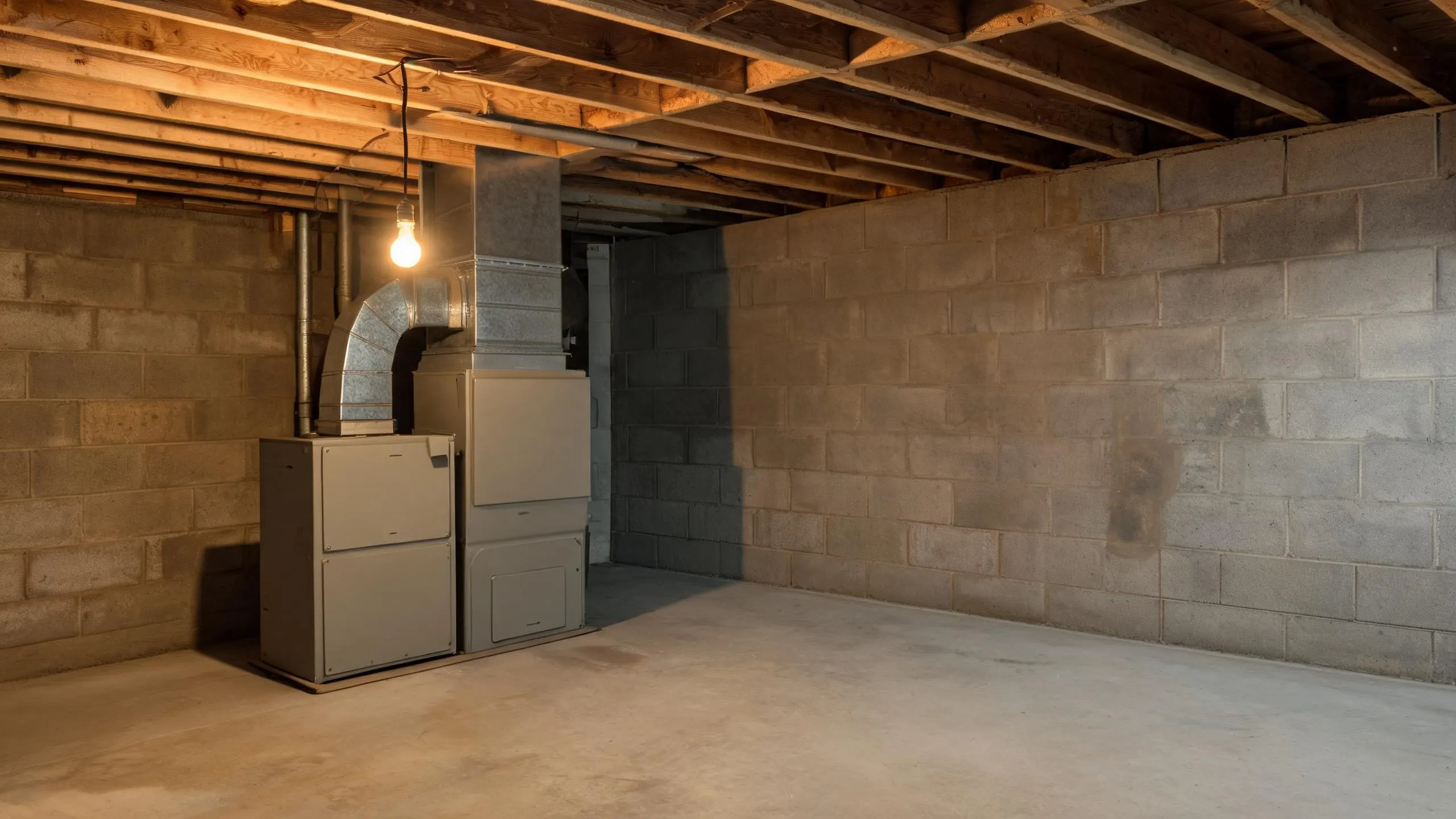
Nine months of heat, and winters that test the system
Newport needs heat from September through May. That is nine months of the year the furnace or heat pump is doing the work. Winter nights average 9°F from December through February, cold enough that a new system has to be sized to keep up, not just get by.
Summer afternoons here average 74°F, mild enough that cooling is not the concern. The system going in is chosen for how it handles the cold months, since that is where it earns its keep.
More than half of homes in the area heat with fuel oil. Whatever replaces or adds to that system should hold up through a real winter. The region has logged 37 winter storms and 36 damaging wind events over the past ten years, and in 2024, 21% of Vermont households went at least 24 hours without power. That is worth asking about before the system goes in, not after the power goes out.
- 9 months
- September through May, your system heats
- 9°F
- the average winter night it heats against
- 74°F
- the average summer afternoon it cools against
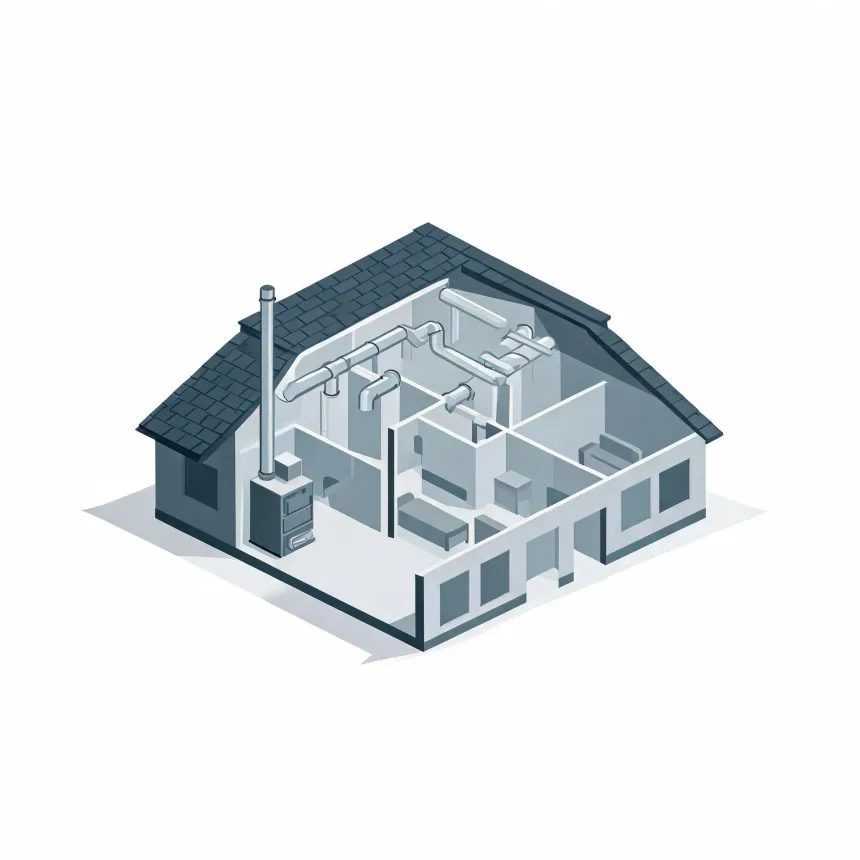
Vermont has no state license for HVAC contractors.
There is no state record of who is doing this work in Vermont, no test behind it and no license number to check. That is true for every HVAC contractor in the state, not just the one who ends up on your job, so the state simply is not the backstop here.
What stands in for it is the permit. Replacing a heating and cooling system in most Vermont cities and counties means the installer pulls a permit from the local building office, and the work gets inspected once it is done. That inspection is what confirms the new system was put in correctly, since Vermont itself is not the one checking.
Source: Vermont Department of Public Safety, Division of Fire Safety
- When should I replace my HVAC system?
- Replace it when repairs get frequent, when it can't keep up on the coldest nights, or when it's old enough that a major part failing would cost nearly as much as a new system. Here, that furnace runs nine months a year, September through May, with nights averaging 9°F in the dead of winter. That kind of runtime wears a system faster than a place with a short heating season, so pay attention to how hard it's working, not just its age. A contractor can look at its condition and tell you whether another repair makes sense or whether you're better off putting that money toward a new system.
- Should I replace my furnace and air conditioner at the same time?
- Homes here don't need cooling, so this isn't really a question most people in this area have to answer. If your home does have central air alongside the furnace, the two systems are usually sized and matched to work together, so replacing one and not the other can leave the two mismatched. A contractor can tell you whether your setup calls for both or just the furnace.
- What happens during an HVAC installation?
- A contractor removes the old furnace or heat pump, sets the new one in place, and connects it to the ductwork, gas or electrical line, and venting. Once it's running, they check that it's heating correctly and sized right for the house. In this area, replacing a furnace, heat pump, or air conditioner needs a permit from the local building office, plus an inspection once the work is done. Vermont doesn't license HVAC contractors, so ask directly about the contractor's experience and get the permit and inspection in writing as part of the job.