
Furnace Installation in Island Pond, VT
A new furnace here will run from September through June every year. Tell us about the house, and a licensed contractor who covers Essex County will get in touch.
Tell us about the job
It takes about a minute.
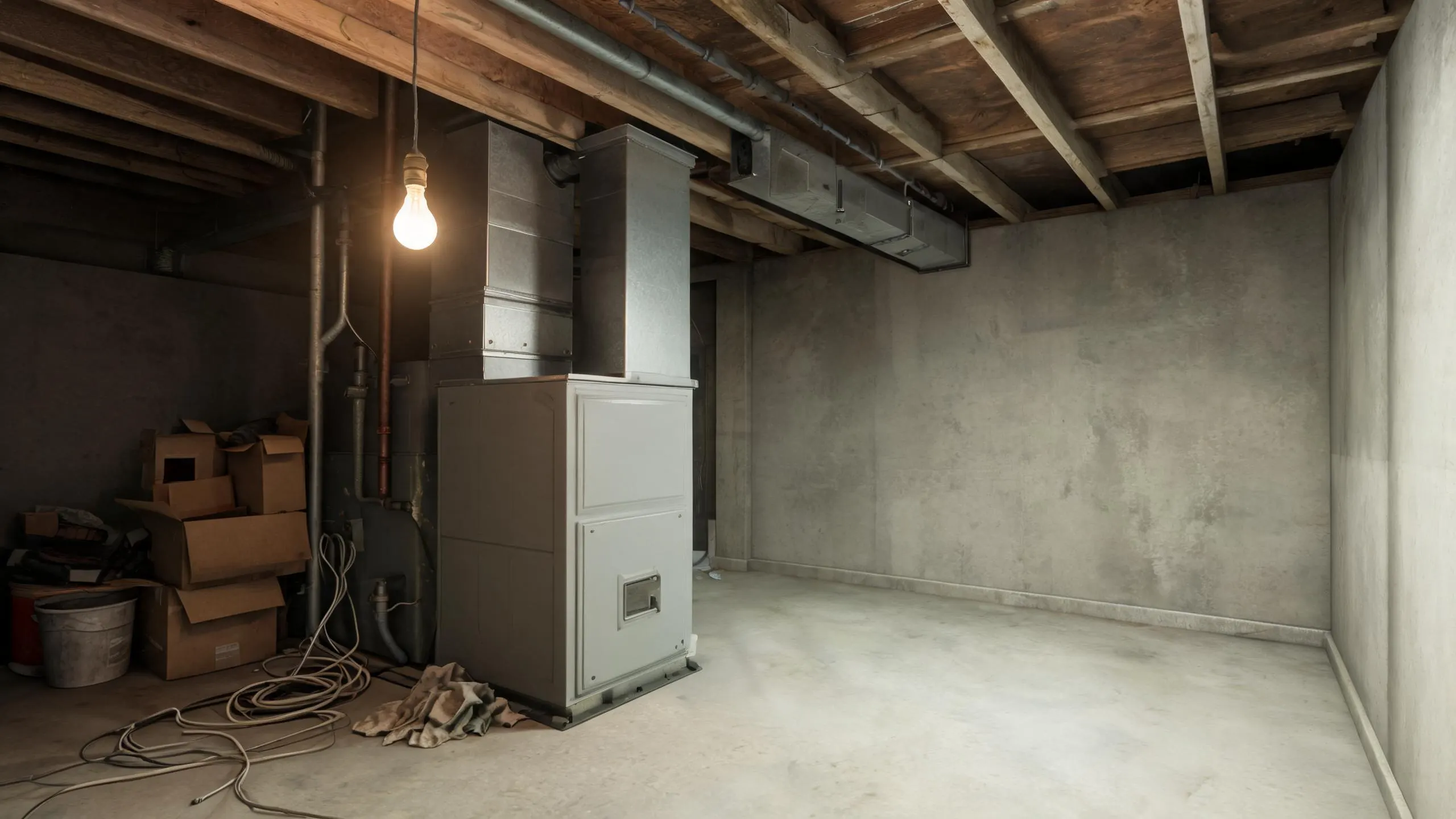
Ten months of heat a year, on nights that drop to 8°F
In Island Pond, a furnace runs from September through June. That leaves two months of rest and ten where it has to work. Winter nights average 8°F, and a new furnace has to be sized for that cold, not for a mild average.
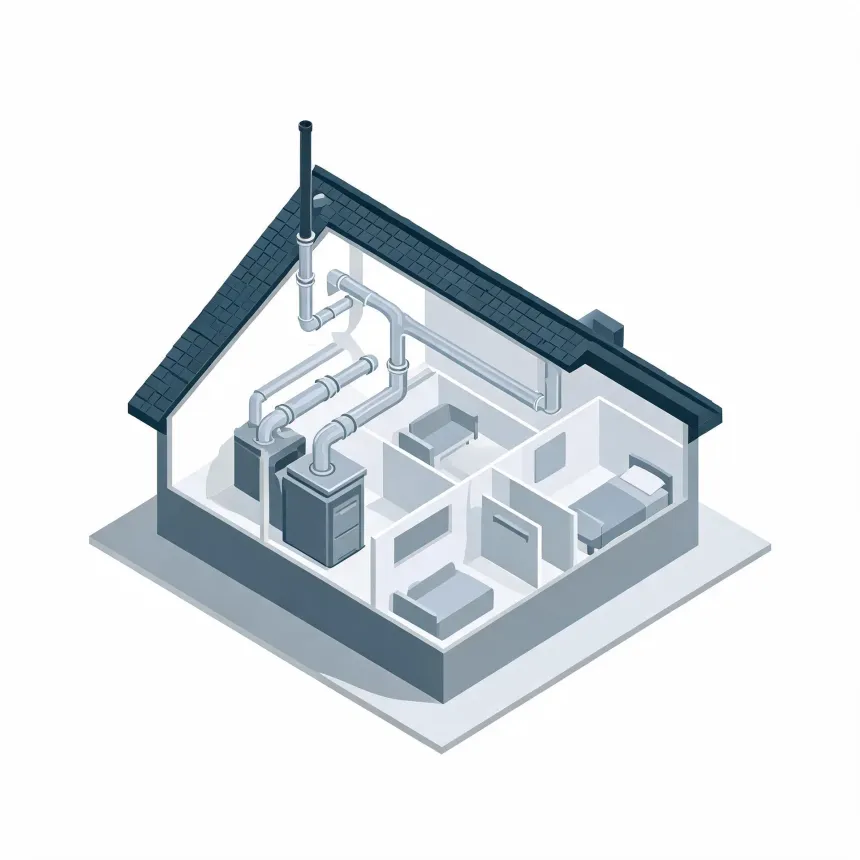
Just over half the homes here heat with fuel oil, so an oil furnace needs to be sized for real Vermont cold from the start. If it's a gas furnace instead, federal rules set the floor at 80 percent AFUE for any non-weatherized unit made since November 2015, and a new installation should meet that at minimum. Power is worth planning around too. Across Vermont, 21 percent of households went at least 24 hours without power in 2024, and a furnace that depends on electricity for its blower and controls will not run without it unless something is done about that.
- 10 months
- September through June, your furnace is on duty
- 8°F
- the average winter night it heats against
- 80% AFUE
- the federal minimum any new unit must meet
NOAA nClimDiv, 1991–2020 normals
Vermont has no state license for HVAC contractors.
There is no state board keeping a record of who does this work in Vermont, so nothing gets tested or filed before a contractor takes your job. Whatever protection exists here comes from somewhere other than a license.
For a furnace installation, that protection is usually the permit and inspection your local building office requires, as most cities and counties do for this kind of job. The permit puts the work on record before it starts, and the inspection has someone from that office look at the completed job, including the gas connection, which is the part of a furnace install that has to be right. That inspection is what checks the work here, not a license.
Source: Vermont Department of Public Safety, Division of Fire Safety
- What size furnace does my house need?
- The right size comes from a load calculation, not a guess based on square footage. A contractor works out how much heat your house loses on the coldest nights, factoring in your insulation, windows, and layout, and sizes the furnace to match. With winter lows here averaging 8°F, a furnace that's too small will run constantly and still fall behind, while one that's too big will short cycle and wear out faster. Ask whoever quotes the job to show you the calculation, not just a number.
- How do I know it's time to replace my furnace?
- Watch how it behaves, not just how old it is. Uneven heat between rooms, a furnace cycling on and off more than it used to, or a fuel bill climbing with no other explanation all point to a furnace losing ground. Repairs that keep coming back are another sign, especially when each one costs more than the last. Homes here need heat from September through June, so a furnace on its way out has little downtime to show you it's struggling before it fails outright.
- Is a high-efficiency furnace worth it?
- It depends on how much heat your house needs and how long you plan to stay in it. Every new non-weatherized gas furnace has to hit at least 80.0 percent AFUE by law, and high-efficiency models go well above that, wasting less fuel out the flue. With heat needed here 10 months out of the year and over half of homes running on fuel oil, the fuel savings from a more efficient furnace add up faster than they would somewhere with a short, mild winter. A contractor can walk through the options and price the job for your house.