
Dryer Vent Cleaning in Island Pond, VT
Tell us about your home, and a licensed contractor who covers Essex County will get in touch.
Tell us about the job
It takes about a minute.
Step 1 of 3: Equipment

Cold air turns lint into a wall inside your vent
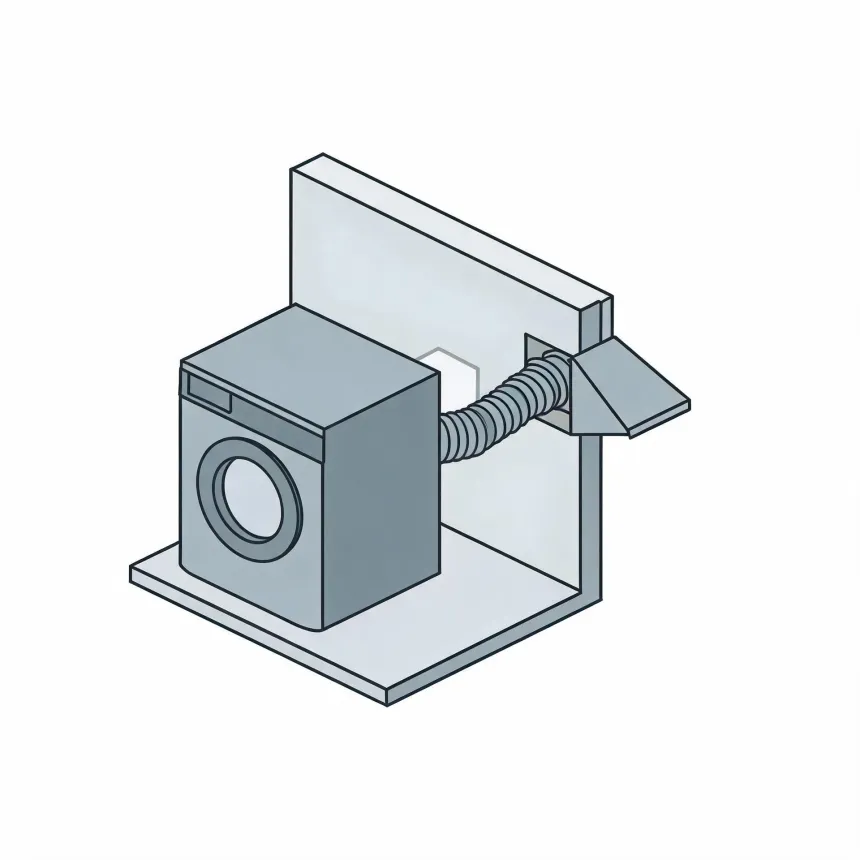
Your dryer pushes out warm, damp air, and in Island Pond it hits a vent run sitting in cold, often well below freezing on winter nights. That warm air cools fast against the cold metal, and the moisture in it lets lint stick instead of blowing on out through the hood. Over a season that buildup narrows the vent, and the dryer has to push harder to move air through it.
- 8°F
- the average winter night, and cold vents catch damp lint
- 10 months
- September through June, the vent stays cold
Jan
Feb
Mar
Apr
May
Jun
Jul
Aug
Sep
Oct
Nov
Dec
NOAA nClimDiv, 1991–2020 normals
- How often should a dryer vent be cleaned?
- Once a year, at minimum. If you do more laundry than that, or notice drying times creeping up, clean it more often. A clogged vent is a fire risk, so it's worth staying ahead of.
- Can I clean my dryer vent myself?
- You can clean the lint trap and the first few feet of duct behind the dryer yourself, and you should do that often. But the full vent run to the outside wall or roof cap is harder to reach and harder to check. A contractor has the brushes and the camera to get lint out of the whole line, not just the part you can see.
- What are the signs of a clogged dryer vent?
- Clothes take more than one cycle to dry, the top of the dryer feels hot to the touch, or you smell something burning when it runs. The vent hood outside may barely flap when the dryer is on, or not flap at all. Any of these mean lint is blocking the airflow, and it will not clear on its own.