
Furnace Installation in Newport, VT
A new furnace here will run from September through May every year. Tell us about the house, and a licensed contractor who covers Orleans County will get in touch.
Tell us about the job
It takes about a minute.
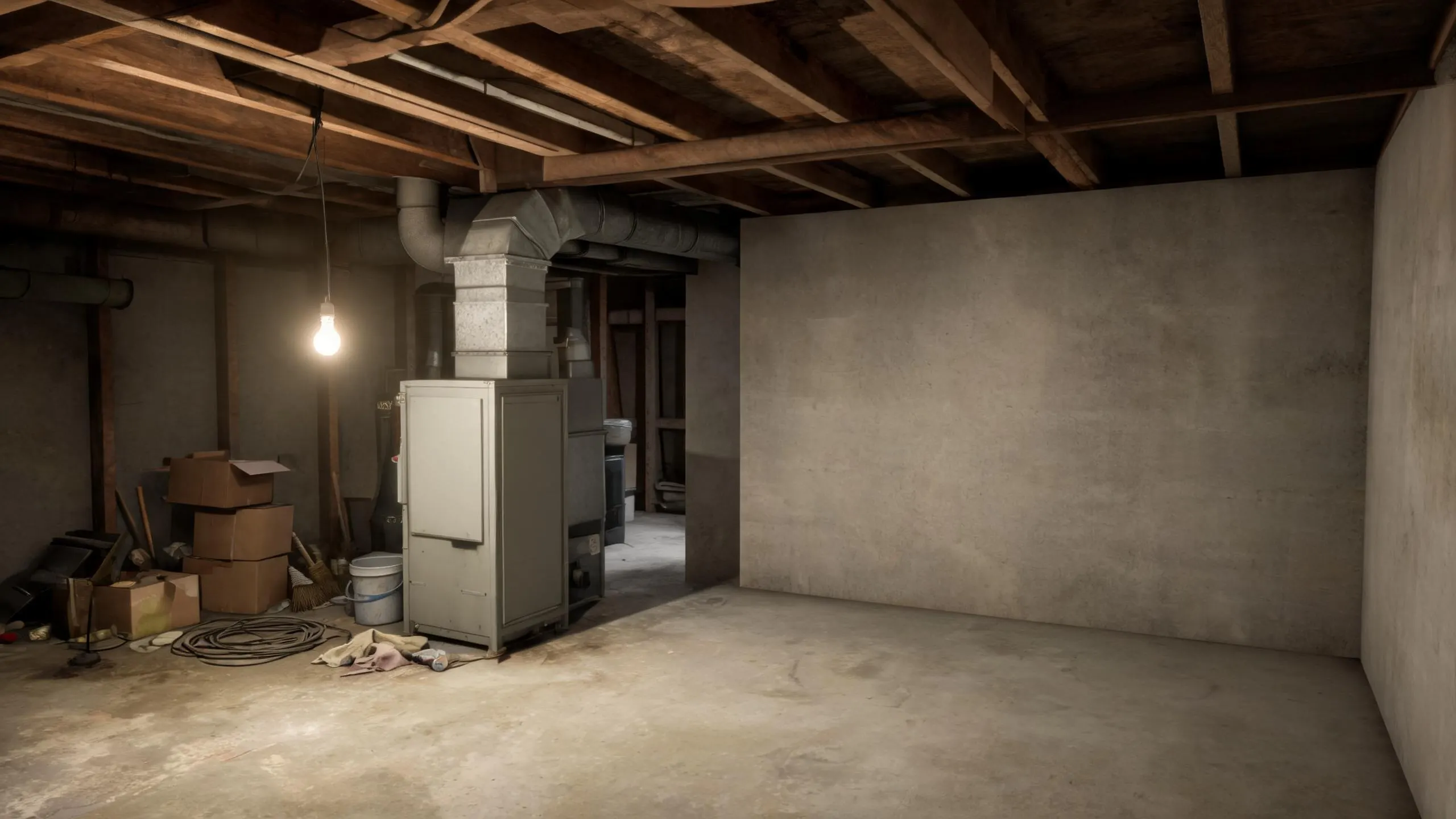
Newport winters ask a lot of a furnace
This furnace needs to run September through May, nine months of the year. Winter nights average 9°F, and it has to hold the house at temperature through all of them.
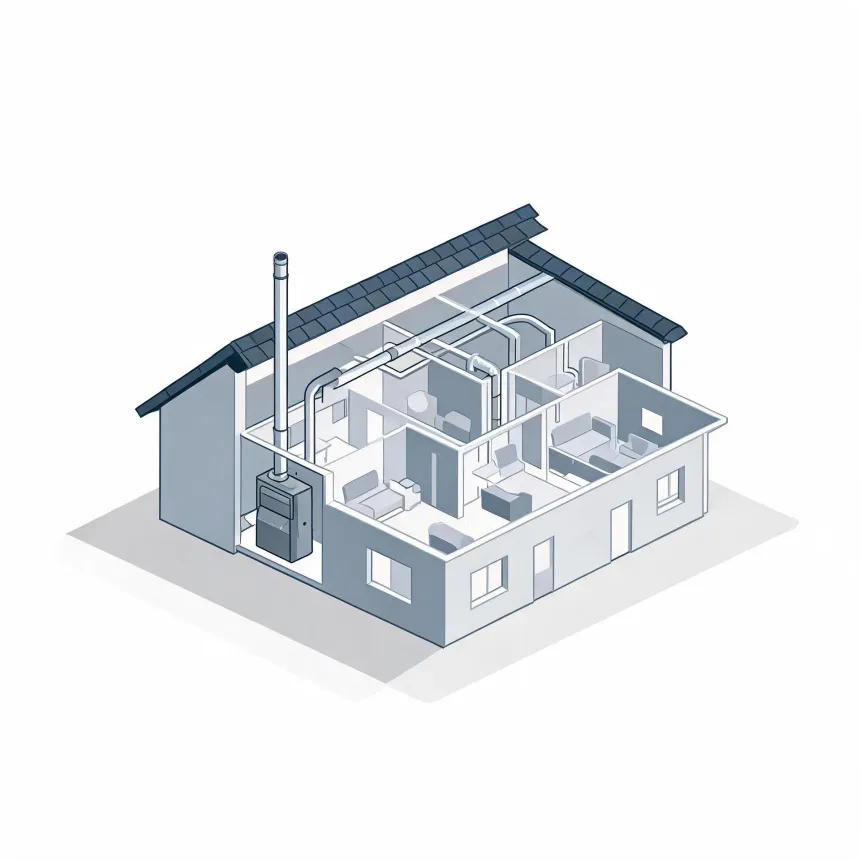
More than half the homes here heat with fuel oil, so the new furnace has to match the fuel already running to the house, not just the size of the rooms. If it's a gas furnace, federal rules set the floor at 80 percent AFUE for units built since November 2015. Power is also worth planning around. The region logged 37 winter storms and 36 damaging wind events over the past ten years, and in Vermont, 21 percent of households went at least 24 hours without power in 2024. A furnace needs power to run no matter what fuel it burns, so it's worth asking the installer how the new system handles an outage.
- 9 months
- September through May, your furnace is on duty
- 9°F
- the average winter night it heats against
- 80% AFUE
- the federal minimum any new unit must meet
NOAA nClimDiv, 1991–2020 normals
Vermont has no state license for HVAC contractors.
Vermont keeps no state record of HVAC contractors at all. Nobody tests them, nobody files their business with the state, and no license number exists for any of them. A contractor can take on your furnace whether they know the trade well or not, and the state has no part in that decision either way.
What stands in for that here is the local building office. A furnace installation typically needs a permit before the work starts and an inspection once it's done, and that inspection is where a bad gas connection or a venting mistake gets caught, the parts of this job that can actually hurt someone. In Vermont, that inspection is the only check this job gets.
Source: Vermont Department of Public Safety, Division of Fire Safety
- What size furnace does my house need?
- The right size comes from a heat loss calculation on your house, not a guess based on square footage. A contractor looks at your insulation, your windows, your ceiling height, and how much wall faces the wind, then sizes the furnace to match. This matters more here than in milder places, since winter lows around 9°F push a furnace hard for nine months of the year. Too small and it runs constantly without keeping up. Too large and it short cycles, wearing out parts faster and leaving the house feeling uneven.
- How do I know it's time to replace my furnace?
- Watch for uneven heat, rooms that stay cold no matter what the thermostat says, or a furnace that's cycling on and off more than it used to. Rising repair calls are another sign, especially if the same part keeps failing. Age matters too. A furnace pushed for nine months a year here works harder over its life than one in a place with a short winter, so it may wear out sooner than the age alone suggests. If yours is old and you're weighing a repair against replacement, a contractor can tell you what's worn and what a new furnace would cost to run by comparison.
- Is a high-efficiency furnace worth it?
- It depends on what you're running now and how long you plan to stay in the house. Any gas furnace built new today has to hit at least 80 percent AFUE by law, but high-efficiency models go well past that, and with nine months of heating season here, those extra points add up over a lot of hours. If you're on fuel oil, which over half the homes here still use, switching to a high-efficiency gas furnace is a bigger change than swapping one furnace for a better version of itself. A contractor can walk through what you'd gain given your current setup and how long you'll be in the house to see it pay off.