A clean burn
The burner fires, you catch a trace of oil, and within a minute or two it's gone. The flame inside is steady and even. No smoke, no smell drifting through the house once the furnace settles in and starts running normal cycles.
 Get matched
Describe your furnace job, and a local pro who handles it gets in touch.
A faint oil smell when the furnace kicks on, then it fades after a few minutes. That's usually just dust burning off the heat exchanger and nothing to worry about. A smell that lingers, or shows up every time the burner fires, is different. That's oil not burning clean, or a leak somewhere between the tank and the burner.
In Vermont, oil heat runs hard from fall through the worst of winter. That furnace is doing more work than one in most other states, and a burner that's slightly off will show it faster here than almost anywhere else.
A bad smell isn't just unpleasant. Unburned oil means wasted fuel, and with Vermont's power costs already among the highest in the country, nobody wants to be heating the basement air instead of the house. It can also mean soot building up inside the furnace, which makes the problem worse the longer it runs.
Figuring out whether it's the nozzle, a cracked heat exchanger, a leak in the line, or just old oil sitting in the tank takes someone who can get eyes on it. That's not a guess you want to make yourself, especially with an oil-fired system.
This page can get you to someone who works on oil furnaces in Vermont and knows what that smell usually means once they're standing next to it. You tell them what you're noticing, they take it from there. No chasing down a contractor on your own, no sitting with a smell you're not sure about for another week while you figure out who to call.
Send the request and that part of it is off your plate. The contractor reaching out will have what you told them about your furnace and your situation, so the conversation starts already knowing what's going on, not from scratch.
You caught a whiff of oil near the furnace again, and it's not going away like it did the last time. With most homes in Vermont heating on oil, this is a smell you've probably noticed before, but this time it's sticking around longer, or it's stronger, and you want to know if it's something to deal with now or something that can wait.
Oil that doesn't burn clean is the usual cause. That can be a dirty nozzle, a cracked heat exchanger, or a small leak at a fitting or the tank line. Any of these lets raw oil or its fumes get into the air instead of being burned off and vented outside. Once a furnace is pushing that smell into the house every time it runs, it isn't going to burn cleaner on its own. Left alone, a leak gets worse, and a dirty nozzle means the furnace works harder for the same heat. In a state where oil heat runs most of the year and electricity costs what it does here, a furnace burning inefficiently is money going somewhere other than your living room.

The burner fires, you catch a trace of oil, and within a minute or two it's gone. The flame inside is steady and even. No smoke, no smell drifting through the house once the furnace settles in and starts running normal cycles.

The smell is still there ten minutes in, or it comes back every single time the burner kicks on. That points to unburned oil somewhere it shouldn't be, a cracked nozzle, a dirty filter nozzle, or a leak at a fitting. Worth having someone look before the exchanger or wiring takes the damage.




A properly tuned oil furnace burns close to this much on a cold day. If yours is using noticeably more, unburned oil may be the reason you're smelling it.
A film of soot cuts how well the exchanger transfers heat, forces the burner to run longer, and lets more raw oil smell escape into the house.
At 12 below on a January night, your furnace is running close to nonstop to keep up. That much burn time means more chances for a bad nozzle or a dirty filter to leave unburned oil behind, and more chances for you to catch that smell.
NOAA nClimDiv 1991-2020 county normals weighted by homes

Oil that isn't burning clean settles as soot inside the heat exchanger and the flue. That soot holds the smell in the ductwork long after the burner shuts off, so you catch it in rooms far from the furnace, not just near it. Given what power costs in Vermont, a furnace working harder to push heat through a sooted exchanger is not a small add to the bill. Left alone over a winter, that film builds up and the smell gets harder to air out between cycles.

A nozzle that's clogged or worn doesn't fix itself. It sprays oil unevenly, some of it doesn't ignite clean, and the smell you're noticing now is the early sign. Keep running it and you risk a cracked heat exchanger or a furnace that stops firing on the coldest night of the year, the one night you can't wait on a repair. Catching it now, while it's just a smell and not a breakdown, is the cheaper problem to have.
You might catch the smell in the room where the furnace sits, or notice it upstairs where you wouldn't expect it. Maybe there's a faint haze near a supply vent, or the air just feels heavier when the system is running. Some households notice a change in the oil bill before they notice the smell, because a furnace burning dirty is working harder to put out the same heat. With power rates in Vermont already high, a furnace that's not burning clean pushes more of the work, and more of the cost, onto electric backup or extra runtime. Left alone, soot buildup can foul the burner further, and in rare cases unburned oil can be a fire risk inside the cabinet. None of that means shut it off and panic. It means the smell is worth paying attention to now, while it's still a small problem.




After this form, you can stop searching for a furnace pro.
You only hire the pro if you want to.
The burner's job is to turn oil into a fine mist and set it on fire the instant it leaves the nozzle. That nozzle is tiny, smaller than a pinhole, and it has to spray an exact pattern for the fire to catch clean. Two electrodes sit right at that spray, holding a precise gap, throwing a spark across it every time the burner fires. When the nozzle wears down, the spray stops being a fine mist and turns into bigger, uneven droplets. Big droplets don't have time to burn completely in the half second before they hit the heat exchanger, and what's left over is oil, not flame. The same thing happens if the electrode gap drifts even a little. A spark that's off center lights part of the spray and misses the rest.
There's a safety piece in this too. A cad cell watches the flame through the burner, and if it doesn't see one, it's supposed to cut the oil off fast rather than let the nozzle keep spraying into a chamber that isn't lighting. Behind all of this, a blower pushes combustion air past the nozzle and electrodes in a specific pattern, and that air has to hit at the right angle for the flame to burn hot and complete. A dirty air tube or one that's shifted out of place throws off that pattern the same way a bad nozzle does.
None of this starts at the flue. It starts right at the nozzle tip and the electrode gap, which is why a burner that's gone bad there sends unburned oil through the whole system long before anyone sees soot anywhere near the chimney.


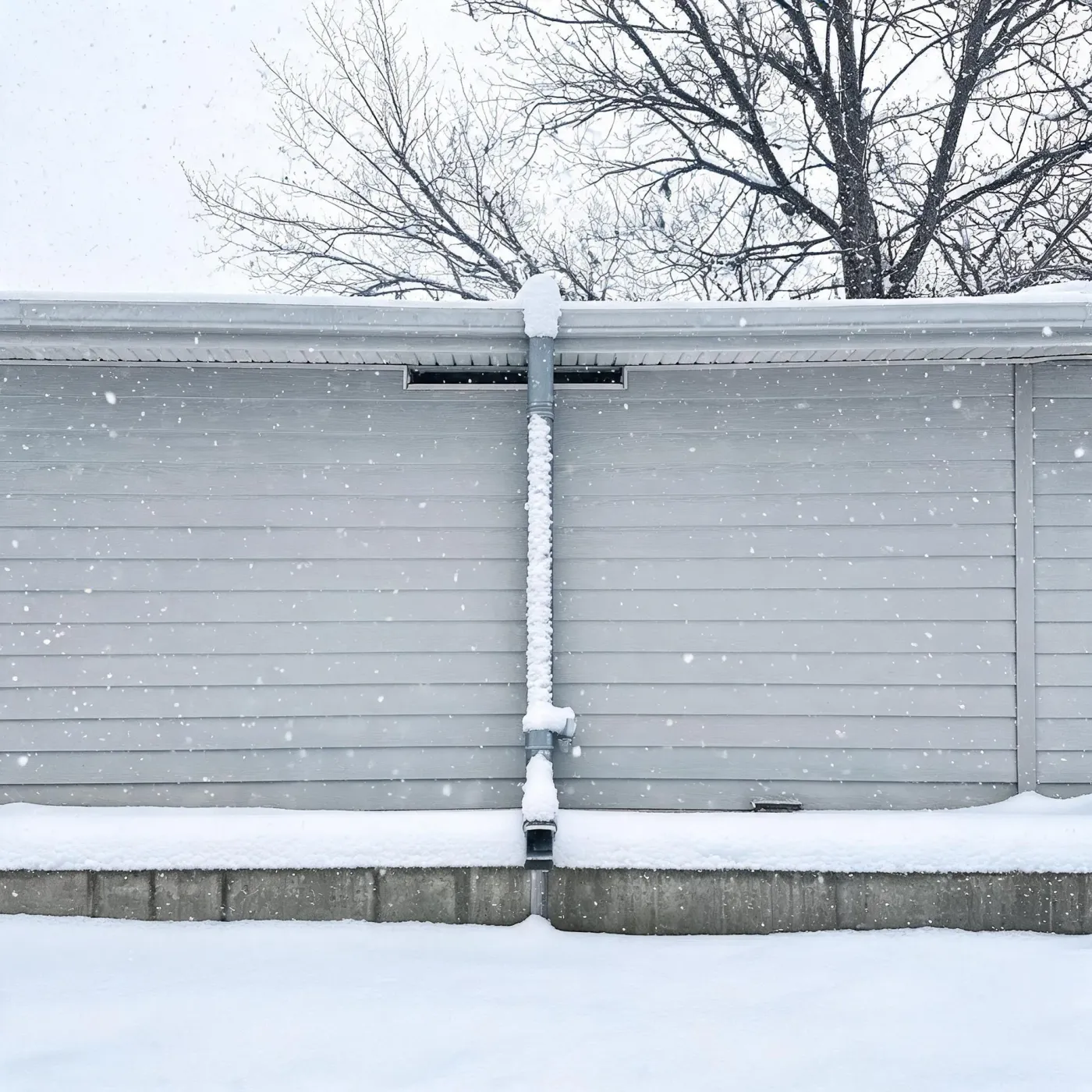
Winter nights across Vermont average 12°F, and that's the kind of cold that keeps a burner firing for hours at a stretch instead of cycling on and off. Long burns put more oil through the nozzle over the course of a night, so a nozzle that's starting to wear or a filter that's getting dirty has more chances to leave unburned oil behind. That's the oil smell you're catching. It also means a small problem shows up faster on a night like this than it would in October, when the burner barely runs. Figure from the National Weather Service.
NOAA nClimDiv 1991-2020 county normals weighted by homes
A furnace that smells like oil is telling you the burn isn't clean. Sometimes that's a worn nozzle, sometimes soot built up on the heat exchanger, sometimes a burner that needs a real tune. Either way, it's not something to keep living with through a Vermont winter, and it's not something you have to figure out on your own. Send the form and the job of finding someone who can look at your furnace stops being yours to carry. You won't be left searching, calling around, or hoping the smell fades on its own before the next cold snap. A contractor who handles this kind of repair will be matched to you, and they'll reach out. That's the weight off your plate tonight: not a guess about what's wrong, but one less thing you have to solve yourself while the oil smell sits in the house.

One request and the search for a pro is handled.
