

Furnace carbon monoxide signs in Vermont
Tell a local repair pro what your furnace is doing.
Find my proA furnace that's leaking carbon monoxide usually shows it before an alarm ever does. Look for soot or a yellow flame where the burner should show blue, streaking or rust on the flue pipe, and moisture collecting on windows near the furnace room. A cracked heat exchanger is the common cause, letting exhaust gas mix into the air your furnace pushes through the house instead of venting it outside. You might also notice headaches that ease once you leave the house, or a stale, slightly metallic smell when the furnace runs. In Vermont, where the furnace often runs for months straight through the cold, a damaged exchanger or a blocked flue doesn't get a break to reveal itself some other way. If you see any of these signs, shut the furnace off and have someone qualified inspect it before running it again. This isn't a repair to wait on or guess at yourself.
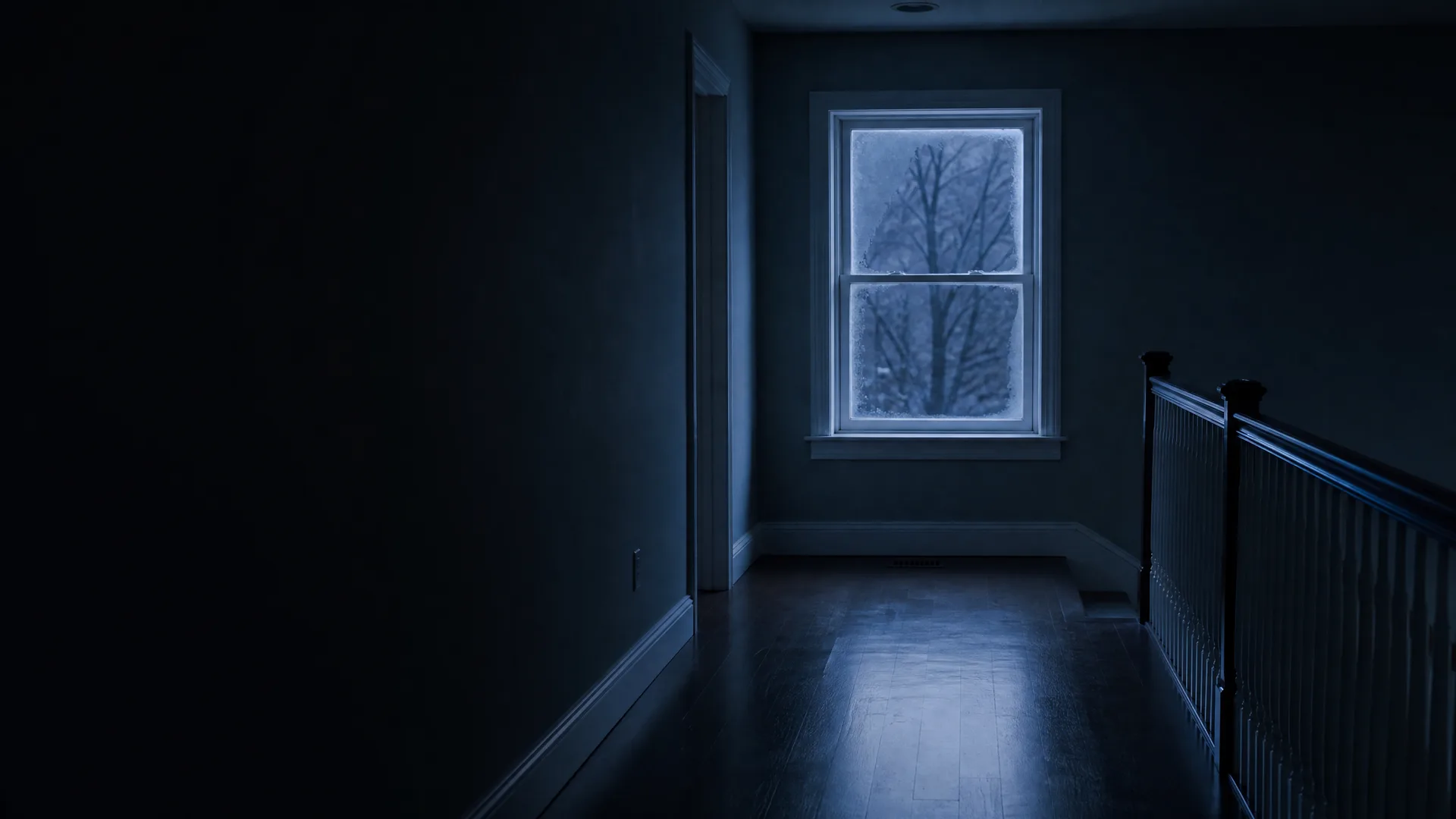
You're awake before you know why. The hallway floor is cold under your feet, and the vent by the bathroom door isn't ticking the way it does when the furnace is running. It's 2 a.m. and nineteen below outside, the kind of Vermont night where the windows frost over from the inside. You stand there a second, listening for the burner to kick on. Nothing. Just the window at the end of the hall, rimmed white, and that flat blue light coming through it. Then you notice it, faint, something off in the air that wasn't there when you went to bed.
Furnace Warning Signs vs. Normal Running
Signs Point to CO
- The flame in the burner compartment is yellow or flickering instead of a steady blue.
- Soot has built up around the furnace door, the vents, or the baseboard heaters it feeds.
- The flue pipe shows rust or streaking, or it's come loose from the furnace cabinet.
- Windows near the furnace room fog up or stay damp even when the house is cold.
- You've had headaches or felt drowsy only when you're home, and better once you're outside.
- A pilot light or burner flame keeps going out on its own.
Normal Furnace Behavior
- The flame burns blue and steady, with maybe a small yellow tip where it touches the burner.
- The flue pipe is tight at every joint and shows no rust or black staining.
- The furnace cycles on and off at regular intervals without short-cycling or struggling to start.
- Windows throughout the house fog up the same amount, tied to cooking or showers rather than one room.
- The CO alarm near the furnace room has fresh batteries and hasn't sounded.
- You don't feel worse at home and better away from it.






A local pro for your furnace repair
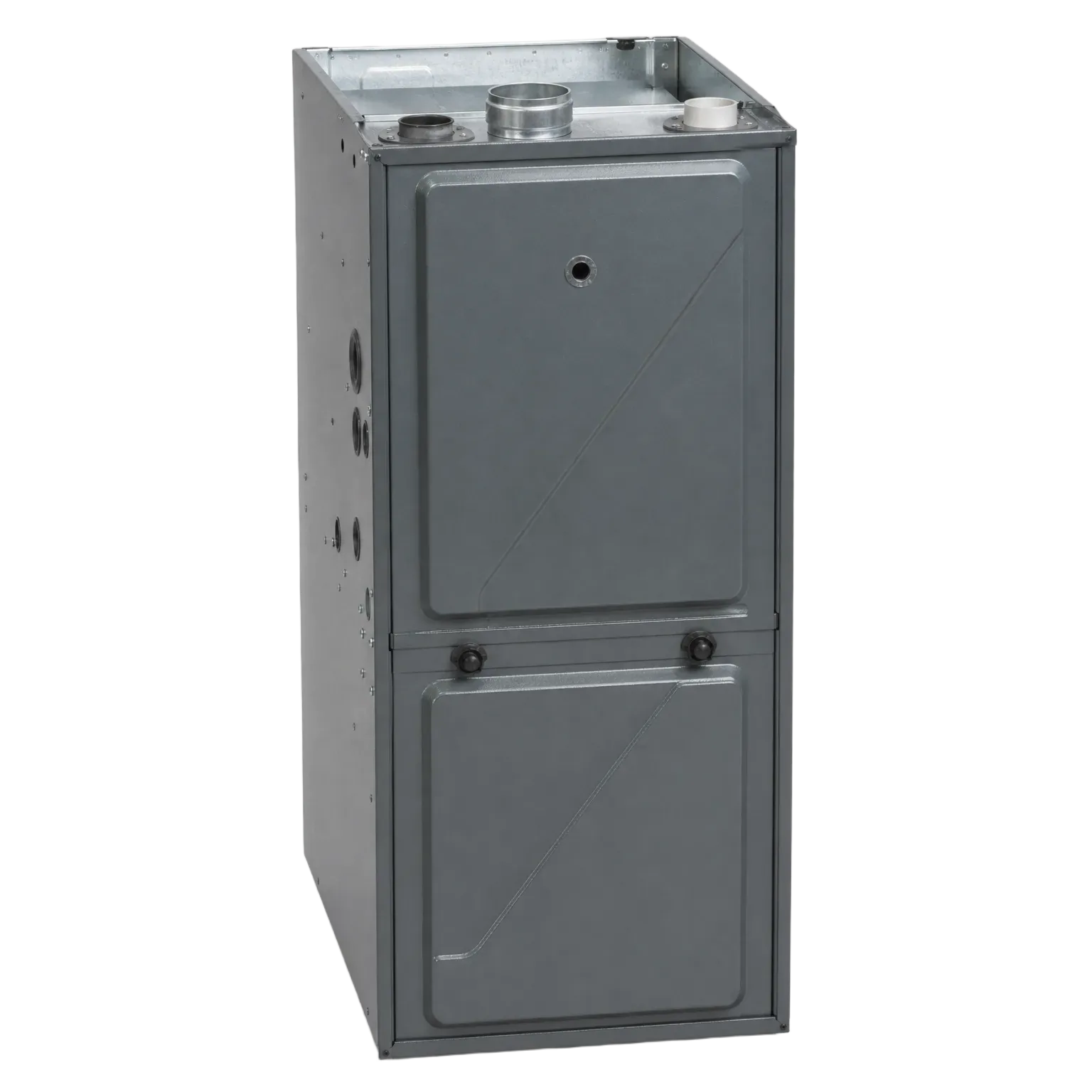
Your request stays with one local pro.
You're not committing to anything by asking.
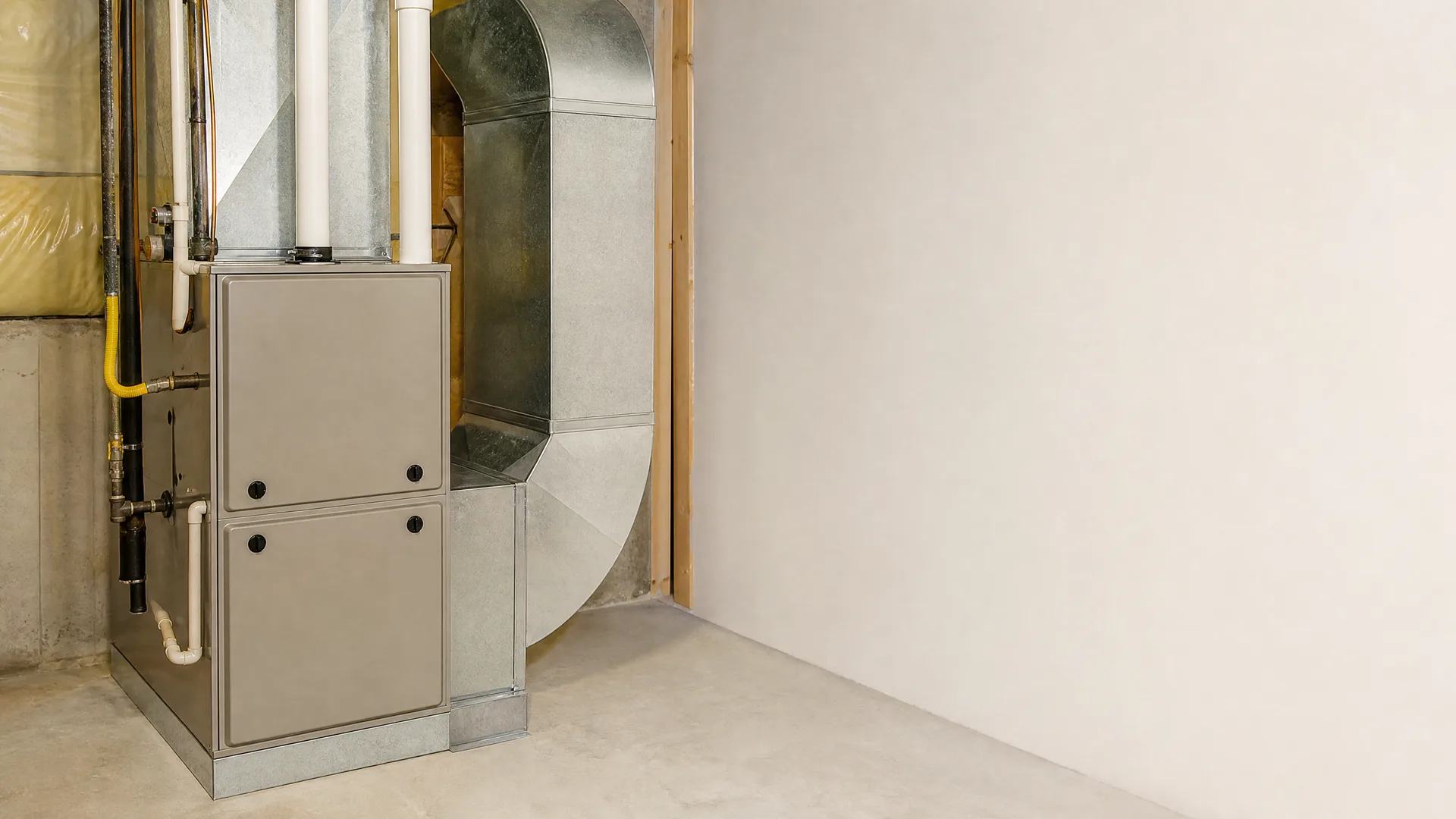
Why oil furnaces show warning signs early
An oil furnace burns fuel inside a sealed combustion chamber, and that chamber depends on a steady draft pulling exhaust up the flue. When the draft weakens, the burner doesn't get enough air and combustion turns incomplete, which is what throws off carbon monoxide. That same bad draft is what pushes soot back into the furnace room instead of up the chimney, so the staining on the cabinet or the flue connector shows up before a detector ever trips.
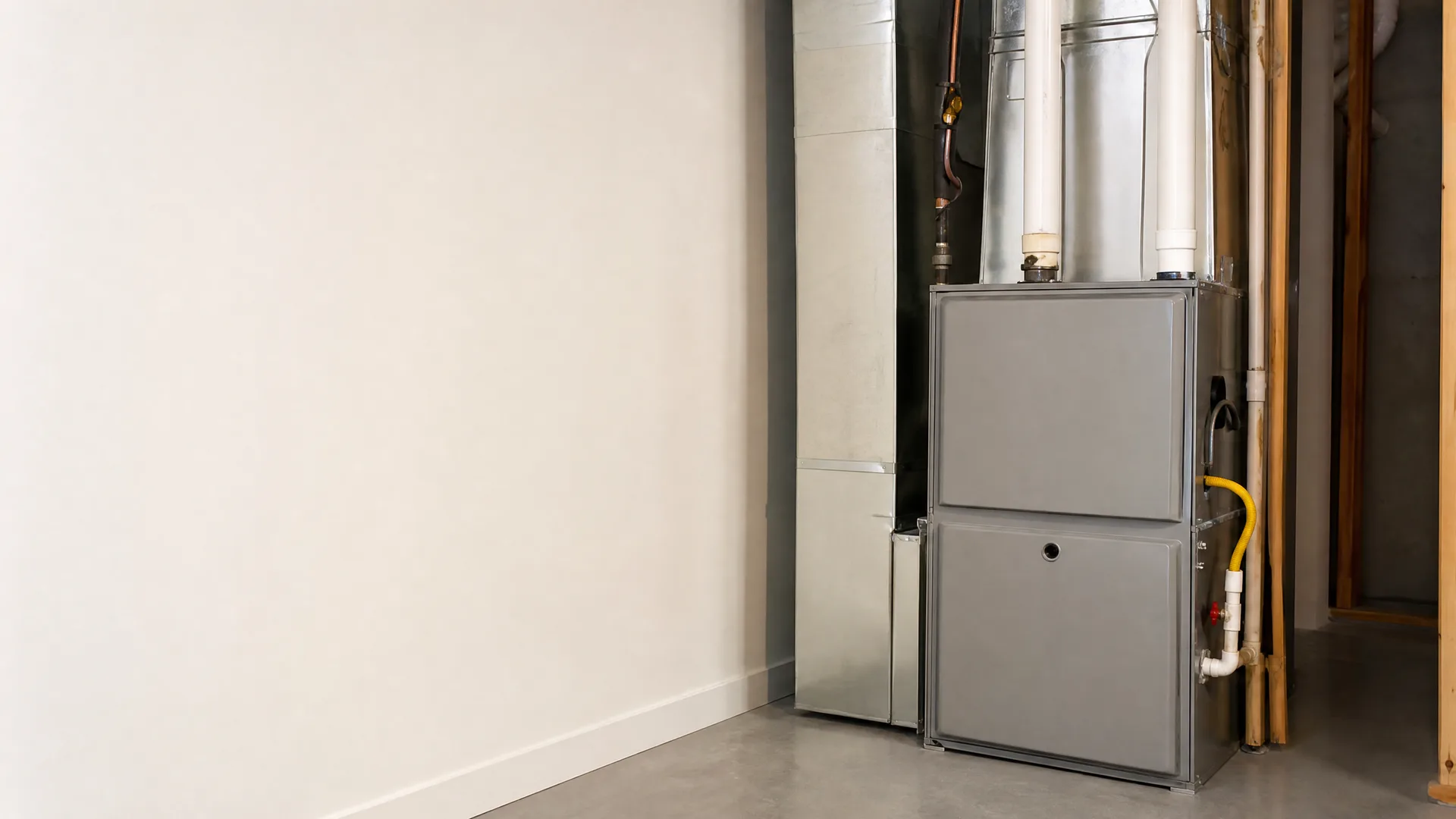
The flue pipe tells you the most
On an oil system, the flue pipe runs from the furnace to the chimney, and it's usually the first place a problem shows itself. A seam that's pulled apart, a joint that's not sealed, or a section that's gone soft with rust lets exhaust leak into the house instead of carrying it outside. Vermont's chimneys take a beating from the cold, and a liner or connector that's shifted over the years is often the real reason behind a furnace that suddenly starts setting off warning signs.

What the flame and the draft are telling you
A healthy oil flame roars, it doesn't flicker. Open the burner door a crack and you should hear a steady, even burn. If it pulses or surges, the burner isn't getting a clean draft, and that's usually a dirty nozzle or a cracked heat exchanger letting exhaust leak back where air should be coming in. The same draft problem is why the flue pipe runs warm to the touch along its whole length instead of just near the furnace. A section that stays cool while the rest is hot means exhaust is finding a shortcut somewhere else, and that somewhere else is your basement air.
This isn't something to diagnose from a how-to video. A furnace built for Vermont winters gets pushed hard for months at a time, and a heat exchanger with a hairline crack can pass a visual check and still be leaking. Someone who works on oil furnaces here every week knows which models tend to crack first and where to put a combustion analyzer to get a real reading, not a guess. Once you share what's going on, that's the contractor who calls you back, not a rotating list of names.

Oil burns inside a sealed chamber and starts drawing combustion air.
A weak or blocked draft starves the flame of oxygen.
Fuel burns incomplete and throws off carbon monoxide instead of just heat.
Gas backs up through the heat exchanger instead of venting out the flue.
Winter nights average 12°F statewide
At 12 below zero on an average winter night, your furnace is running close to flat out just to keep the house warm. That's more hours of burner time for soot to build on the heat exchanger and draft to weaken, which is exactly when a cracked exchanger starts pushing exhaust where it shouldn't go.
NOAA nClimDiv 1991-2020 county normals weighted by homes
What to Do With What You've Seen
- A yellow flame, soot around the burner door, or rust and streaking on the flue pipe are the signs to check first, before an alarm sounds.
- A furnace running flat out on a cold night builds soot faster and strains a weak draft harder, so check it when it's coldest.
- None of these signs tell you whether the fix is the burner, the draft, or a cracked heat exchanger, and that call needs someone qualified to make.
- A Vermont-licensed contractor who works on oil furnaces all winter knows which of these signs usually trace back to a clogged nozzle and which point to the heat exchanger.
- Matching you with one local contractor means one visit, one person looking at your furnace, not several companies working the phone.
- If what you're seeing matches any of this, the furnace needs a look before the next cold night, not after.
A yellow flame, soot on the burner door, rust on the flue pipe. Those are the signs, and most of them show up well before any alarm does. What they don't tell you is which part is behind it. A clogged nozzle, a weak draft, a cracked heat exchanger all show up looking similar from the outside, and guessing wrong means paying for a fix that isn't the problem.
That's where a local contractor earns the call. Someone who works on oil furnaces through a full Vermont winter has seen what a clogged nozzle looks like versus what a failing heat exchanger looks like, because they've opened up both kinds often enough to tell the difference fast. That's not something you get from reading a list of symptoms. It comes from doing the work, season after season, on the same kind of equipment sitting in basements across the state.
When you put in a request here, it goes to one contractor, licensed to work in Vermont, not a handful of companies competing for the job. That means one visit, one person who looks at your furnace and tells you straight what's wrong, instead of your phone ringing off the hook for the next hour.
If the flame in your burner isn't blue, or the flue pipe shows rust, or there's soot where there shouldn't be, that furnace needs a look. Cold nights make a struggling furnace work harder, and that's exactly when these problems get worse, not when they wait.

Get the right pro for your furnace
Your request goes to one pro, not a list of companies.