
HVAC Installation in St. Albans, VT
A new system here will heat from September through May and cool from July through August every year. Tell us about the house, and a licensed contractor who covers Franklin County will get in touch.
Tell us about the job
It takes about a minute.
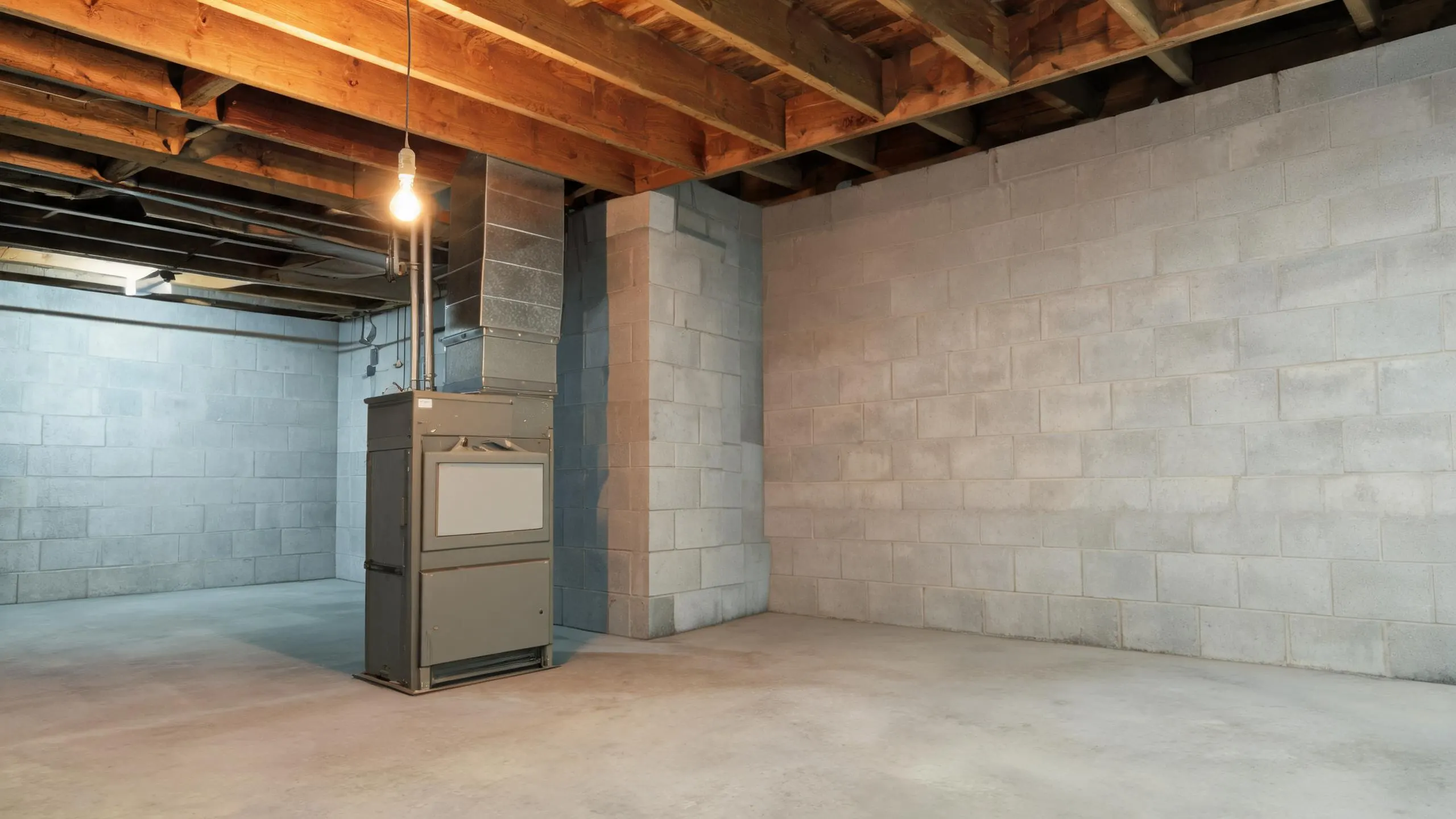
A new system here works eleven months a year, in weather that swings hard
Winter nights in St. Albans average 11°F from December through February, and homes need heat from September through May. That is nine months of the year the furnace or heat pump is what keeps the house warm. Summer only asks for cooling in July and August, with afternoons averaging 76°F, but between the two seasons a new system is working eleven months out of the year.
Almost a third of homes here still heat with fuel oil, so an install often means deciding whether to stay with oil or move to something else. Franklin County has seen 51 winter storms and 67 damaging wind events over the past ten years, and 21% of Vermont households went at least 24 hours without power in 2024. A system installed here has to hold up through the outages as well as the cold.
- 9 months
- September through May, your system heats
- 2 months
- July through August, it cools
- 11°F
- the average winter night it heats against
- 76°F
- the average summer afternoon it cools against
NOAA nClimDiv, 1991–2020 normals
Vermont has no state license for HVAC contractors.
There is no state record to check here, no test, no license number tied to the person doing your work. Anyone can call themselves an HVAC contractor in Vermont, so the name on the truck tells you nothing about what the state knows about them.
What stands in for that here is the permit process. Installing a heating and cooling system needs a permit from the local building office in most cities and counties, and the finished work gets an inspection before it's signed off. That inspection is the check on whether the job was done correctly, not a license. It comes down to the permit and the inspection tied to your address.
Source: Vermont Department of Public Safety, Division of Fire Safety
- When should I replace my HVAC system?
- Replace it when it's breaking down more than once a season or when the repairs start costing more than a new unit would. An older system that struggles to keep up is a bigger problem here, with winter lows averaging 11°F, than it would be somewhere milder. If you're calling for repairs every year, get it looked at before the next cold stretch rather than after it fails on you.
- Should I replace my furnace and air conditioner at the same time?
- If they're close in age, yes, it usually makes sense to replace them together. A furnace and air conditioner installed at the same time tend to wear out around the same time, and the air handler or coil often has to match the rest of the system to work right. If one is much newer than the other, a contractor can tell you whether it's worth keeping for now. That's a call best made after someone looks at both units, not before.
- What happens during an HVAC installation?
- A contractor removes the old furnace, air conditioner or heat pump and sets the new equipment in place, then connects it to the ductwork, gas or electric line, and the refrigerant lines if it's an AC or heat pump. They test the system to make sure it heats or cools correctly and check for leaks in the gas and refrigerant connections. This work needs a permit from the local building office and an inspection once it's done. That inspection confirms the installation was done to code, so don't skip it even if the contractor doesn't bring it up first.