
A vent that's clear
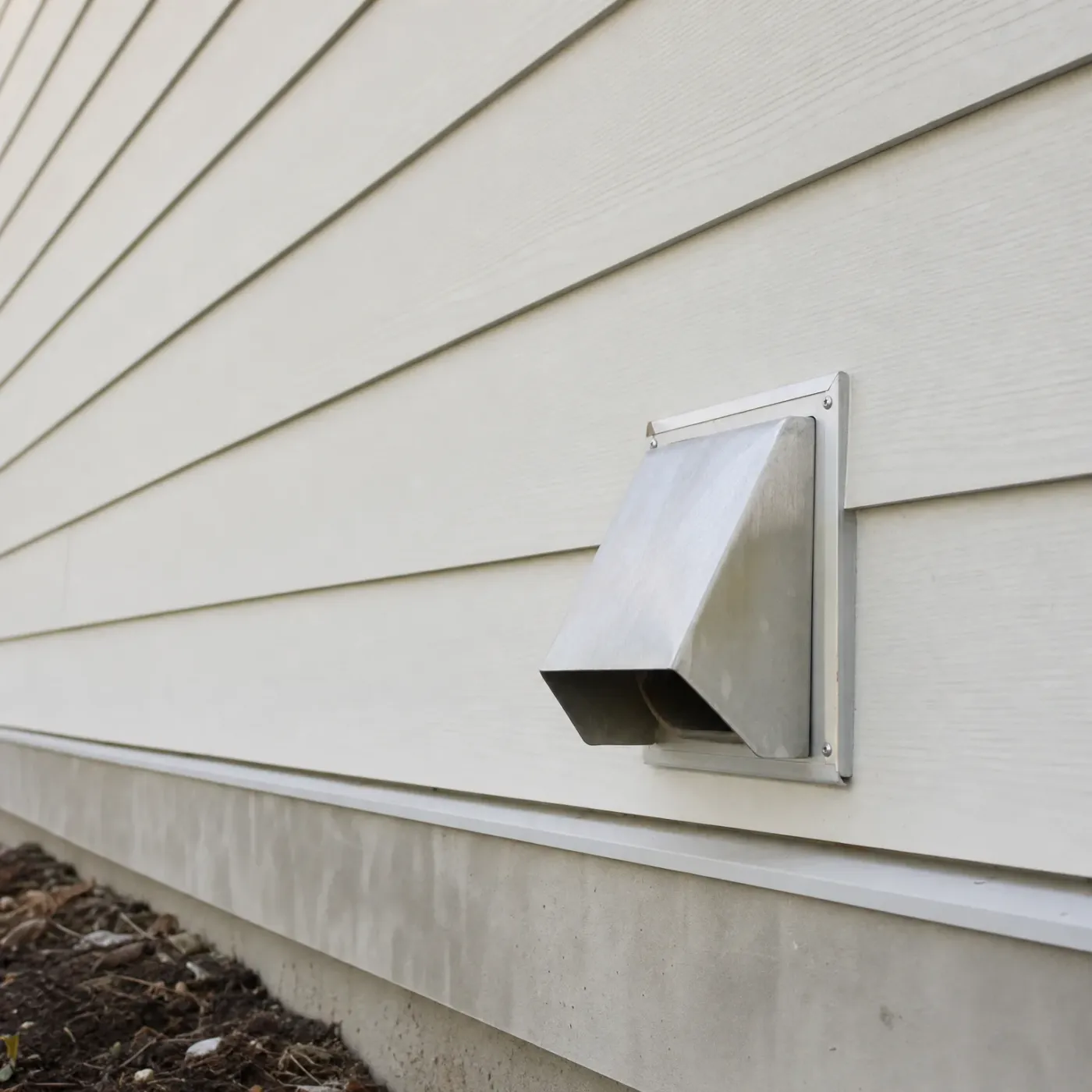
Air moves straight out through the hood with every load. The flap opens, pushes out, and closes again when the dryer stops. No lint ring builds up around the opening, and a load of towels dries in one cycle instead of two.
Get matched with a Washington County pro who cleans dryer vents.
Request a proOnce a year is the rule for most homes in Barre, clean the dryer vent every year, even if the dryer runs fine. A clogged vent traps lint and moist air behind the drum, and that moisture has somewhere to go, into the wall cavity or attic space around the vent run. Winters here are hard, and a vent that cannot push air outside fast enough lets warm, wet air sit in a cold wall, which is how mold and rust get started. Longer vent runs, vents with several turns, or a dryer used most days push that timeline up, every six months instead of twelve. A dryer that is taking two cycles to dry a load, or feels hot to the touch on top, is telling you the vent is already restricted. Checking it once a year, same month each time, is the easiest way to keep that from turning into something bigger.

Air moves straight out through the hood with every load. The flap opens, pushes out, and closes again when the dryer stops. No lint ring builds up around the opening, and a load of towels dries in one cycle instead of two.

Lint and nesting material pack the opening until the flap barely moves. The dryer runs longer to dry the same load, and the warm, damp air it can't push outside works back into the wall around the hood instead.
Clothes come out of the dryer hotter than usual, and towels or jeans that used to dry in one cycle now need a second. The laundry room feels warmer or damp after a load, and you might catch a faint burnt smell when the dryer's running. Check the outside hood: if the flap barely moves or stays shut while the dryer's on, air isn't getting out. Lint around the hood opening or dust settling near the dryer are both signs the vent isn't clearing the way it should. Left alone, that trapped moisture works its way into the wall around the vent, and a blocked vent makes the dryer run hotter than it's built to.

The lint screen catches most of what comes off a load, but not all of it. Fine lint slips through the mesh and rides the airflow down the vent line, where it catches on the inside of the duct, especially at joints and bends. A long run from the dryer to the outside wall gives it more places to build up. Over a year, that adds up to a real blockage even if every load gets the screen cleaned out first.

When a vent is restricted, the dryer has to push the same air through a smaller opening, so the motor runs longer and works harder to move it. Heat builds up inside the drum because it has nowhere to vent out. With power rates here among the highest in the country, a dryer running extra minutes on every load shows up on the bill before it shows up as a breakdown.
2.26 people per household on average
With 2.26 people per household on average here, most homes run a load of laundry most days, so lint builds up in the vent on a steady schedule.
Half the homes here were built by 1973
Half the homes in Washington County were built in 1973 or earlier. Older ductwork tends to run longer and bend more on its way outside, giving lint more places to catch.
Power here costs 23.23 cents per kilowatt-hour
Power here runs 23.23 cents per kilowatt-hour, among the highest rates in the country. A dryer fighting a clogged vent runs longer to finish the same load, and that shows up on the bill.
ACS 2020-2024 · EIA-861 2025




With just over two people in the average Washington County home, most households are running a load every day or two. Each load pushes more lint through the line, so the once a year cleaning holds up for a house your size.
ACS 2020-2024


Send the form and the dryer vent cleaning stops sitting on your list.
Your dryer vent cleaning request goes to a local pro who does this work.
It costs nothing to send, and you don't have to hire anyone.


Once a year covers it for most homes in and around Barre. That holds whether the dryer's been struggling or running fine, because a vent can be most of the way blocked before you notice anything from inside the laundry room. The lint that matters is the kind you can't see: it collects at the joints and bends of the duct, behind the drum, in the stretch between the dryer and the wall. A vacuum reaches some of it. A brush kit reaches more. Neither reaches all of it, which is why the yearly schedule exists in the first place, not as a guess but as the point where buildup outpaces what you can clear on your own.
Washington County winters add to the load. Wet boots, snow gear, towels from the mudroom, all of it goes through the dryer for months running, and a vent that was clear in October can be most of the way closed by March. A blocked vent doesn't just mean longer drying times. It means moisture sitting somewhere it shouldn't, behind a wall or up in the attic space around the vent hood, with nowhere to go until it finds somewhere.
None of that is a job you need to carry once you've decided it's time. Send the form and the search for someone qualified stops being yours to do. The cleaning itself still takes the time it takes, but finding who does it is no longer on your list.

Find a dryer vent cleaning pro in Washington County



