Vermont HVAC Match

Dryer taking too long to dry in Rutland, VT

Start one form

A dryer that runs two or three cycles to get clothes dry usually means the vent, not the machine. In Rutland County, where winters are hard and most homes run on oil, a clogged vent also means warm air and moisture backing up into the house instead of venting outside. Finding someone to look at it usually means searching around, calling a few places, explaining the same problem twice, then weighing quotes against each other. Here you fill out one request and it goes to a local contractor who deals with vent lines in this area every season, who knows what a Vermont winter does to a vent run and what usually causes the blockage. One contractor means one call back, not five, and no sorting through strangers to find someone who already knows the work.

A dryer taking two or three cycles to dry a load is almost always a vent that's choked with lint, not a broken machine. Every cycle, some lint gets past the trap and settles in the duct. Over time that buildup narrows the path the hot, wet air needs to escape outside. The dryer keeps heating, but the moisture has nowhere to go, so it just keeps tumbling clothes that stay damp. The longer vent runs common in Rutland County homes, especially where the dryer sits in a basement far from an outside wall, give lint more distance to collect before it ever reaches the vent hood. A duct that's partly blocked also makes the dryer run hotter and longer than it should, which adds wear on the heating element and the motor with every load. If your dryer has been running long, hot cycles for weeks, the vent is worth checking before anything inside the machine.

A smiling woman with long dark hair in a gray sweater sits behind a white countertop holding a glass of red wine, with a dimly lit living room and dark kitchen island in the background.
A woman in a beige knit sweater with her hair up laughs while looking to the side, seated in a dimly lit living area with a sofa, windows and a kitchen counter behind her, a glass of red wine in the lower right foreground.
A woman in a black sweater laughs while seated at a light stone counter with a glass of red wine, in a dimly lit living and dining room with bookshelves, a table lamp and framed artwork behind her.
A smiling woman with long dark hair in a beige sweater sits at a granite counter with a glass of red wine, with a living room, fireplace and dining area behind her.

Clear It Yourself or Call a Pro

Clean the vent yourself

  • A rigid metal duct gives lint fewer places to catch than a flexible one, so a straight shot from dryer to wall is easier to clear on your own.
  • You can reach the lint trap and the first few feet of duct with a long brush, but most Rutland County runs have at least one turn you can't see around.
  • Without a vent brush kit built for the length of your duct, lint sitting past the first bend stays put no matter how often you clean the trap.
  • If your outside hood is iced over or packed with lint, which happens fast in a Rutland winter, you may not be able to tell how much is built up further in.
  • Doing it yourself costs you the time and the tools, and if the clog is past where you can reach, the dryer keeps running long cycles anyway.

Have it professionally cleaned

  • A local contractor who services dryer vents all over Rutland County every winter knows where lint tends to pack in a duct run like yours.
  • Professional equipment reaches the full length of the duct, including bends and the outside hood, not just the first few feet past the trap.
  • One call to a licensed local contractor replaces the work of searching for someone, calling around, and explaining the same problem more than once.
  • Clearing the whole run matters more here than in milder places, since a blocked vent backs warm, moist air into a house already working against hard winters.
  • Because it's one contractor handling the job, you're not fielding calls from several companies trying to win the work.
A stainless steel hooded dryer vent with four corner screws mounted on white horizontal lap siding above a gray concrete foundation.

Clear and venting properly

Air moves through the hood with enough force to push the flap open while the dryer runs, and the flap falls shut when it stops. No lint shows at the edges. A load dries in one cycle, the time you'd expect for the size of the load.

A white hooded dryer vent mounted on light-colored lap siding above a concrete foundation, with lint clogging its opening.

Clogged and stuck open

Lint has built up thick enough to prop the flap open all the time, running or not. That's a path for cold air and pests into the duct, and it means the air from the dryer isn't getting out, it's backing up somewhere behind that hood.

A white plastic hooded dryer vent mounted on beige lap siding, with gray lint clogging its louvered opening and hanging below it.
Before you get your dryer vent cleaning
A white hooded exterior vent cover with a mesh screen mounted on gray lap siding above a concrete foundation.
After you get your dryer vent cleaning

Describe it once

You've probably already pulled the lint trap and checked it twice. That's not where the problem is. Finding someone who actually clears a vent properly, rather than just vacuuming the first foot of duct, usually means calling a few places, describing the same problem each time, and guessing which quote covers the whole job. A local contractor who cleans vents in Rutland County all winter knows where lint actually builds up in a run like yours, especially with the cold driving oil heat and keeping windows shut for months at a stretch. Handing this off gets you one contractor who works on this equipment regularly, not a round of calls to sort through. Your dryer is working harder than it should right now, running extra cycles, pushing warm moist air back into the house instead of outside. That gets fixed by someone who knows what to look for, not by another load through the machine.

A dryer vent that's down to half its width will still let the dryer start and run. It just takes much longer to drag that same wet air out through a smaller opening.

That's why the machine looks fine and the cycle still runs long. The blockage is further down the duct, past where the trap or a quick glance can show you.

A smiling man with curly graying hair and a dark knit sweater sits at a candlelit dinner table with a glass of red wine, a water glass and a bowl of salad in the foreground, in a dimly lit room with a lamp, framed picture and window behind him.
A woman in a cream knit sweater reclines on a gray sofa with her eyes closed and a slight smile, covered by a fleece blanket with a closed book on her lap, a lit table lamp and potted plants behind her.

What it's costing you now

Every extra cycle it takes to dry a load is the dryer running on electricity you're already paying some of the highest rates in the country for. Run that second or third cycle a few times a week and it shows up on the bill every month, not just once. It also means more heat and moisture pushed into the house with nowhere to go, which your heating system then has to work against through a Rutland winter. None of that fixes the load still sitting damp. You end up paying twice: once for the power the dryer burns doing a job it can't finish, and again for the oil it takes to push that extra humidity back out of the house.

What a long cycle puts at risk

Lint doesn't stop building up because you're busy. Every load adds a little more to whatever is already sitting in the duct, and a vent that's half blocked now gets more blocked with each cycle. A dryer pushing hot air against that kind of resistance runs hotter than it should, for longer than it should, cycle after cycle. That wears on the heating element and the motor in a machine that was never built to fight its own exhaust. Left alone through a full winter of heavy laundry, a vent that only slowed the dryer down in October can choke it off entirely by February.

Why does a full load still come out damp in your house?

  • 2.31 people per household on average

    With 2.31 people in the average Rutland County household, most homes are running a load most days, which means lint moves through that vent constantly and builds up faster than a once-a-year glance would catch.

  • Half the homes here were built by 1969

    Half the homes in Rutland County were built in 1969 or earlier, and a duct run that old has likely never been cleared down to the wall cap, only vacuumed out near the trap.

  • Power here costs 23.29 cents per kilowatt-hour

    At 23.29 cents per kilowatt-hour, a dryer pushing air through a narrowing vent isn't just slow. Every extra cycle it takes runs up a bill already higher than most of the country pays.

ACS 2020-2024 · EIA-861 2025

Where this leaves your dryer

  • A dryer running two or three cycles to dry one load means a blocked vent, not a failing machine.
  • Clearing the full duct run, not just the first few feet, is what brings drying time back to one cycle.
  • A vent cleared properly stops warm, moist air from backing up into your house through the walls.
  • A local contractor who clears vents every winter in Rutland County knows where ducts typically narrow and why.
  • Working with one contractor means one visit and one assessment, not several trucks and repeated explanations.
  • Once the vent runs clear, the dryer goes back to pulling the electricity a single cycle actually needs.

A dryer that needs two or three cycles to finish a load isn't wearing out. It's pulling hot, wet air through a duct that's narrowed down with lint, and the machine is doing exactly what it's built to do against that resistance. Clear the duct, end to end, and the dryer goes back to venting the way it did when the house was new. One cycle, not three. No warm air pushed back into the laundry room through gaps it shouldn't be using.

Someone who clears vents in Rutland County through a full winter sees the same duct runs fail the same ways, season after season. They know which bends tend to pack first, where a flexible section usually gives a straight run more trouble than it should, and what a half-blocked vent sounds like compared to a clear one. That's not something you get from a general handyman working through a checklist. It's the difference between someone who vacuums the first few feet of duct and calls it done, and someone who knows the blockage is usually further down than a shop vac reaches.

Working with one contractor also means you explain the problem once. No juggling a handful of quotes, no repeating the same details to three different companies while your dryer sits there taking three cycles a day. One visit, one assessment, one person who already knows what they're looking for before they open the vent cover.


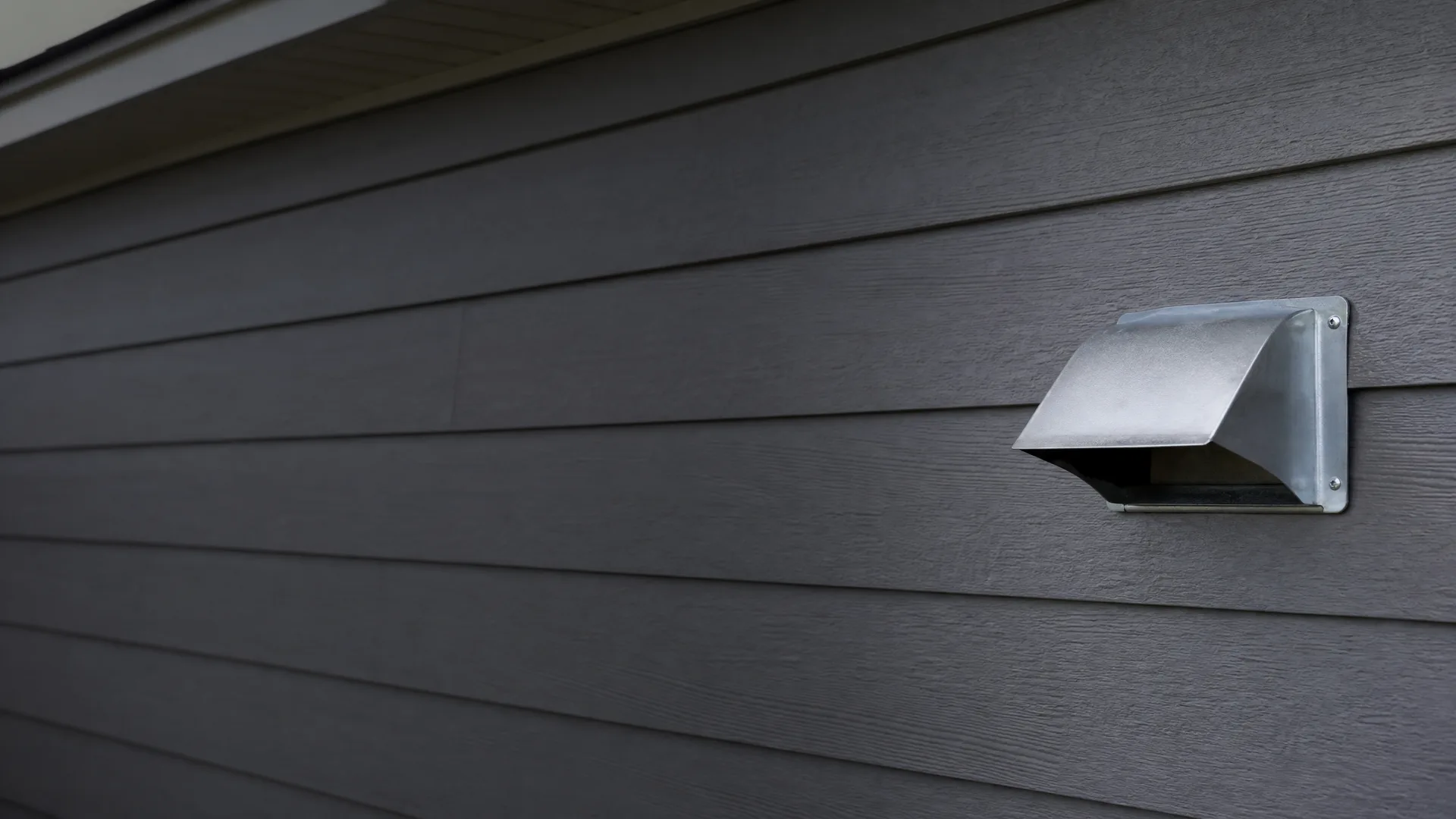
A metal hooded exterior vent cover mounted on dark gray horizontal lap siding, photographed at an angle along the wall.

No calling every shop in Rutland County

Your request stays with one local pro.

Duct and vent cleaningRutland County, VT
Step 1 of 3

What kind of equipment?