Why your furnace ignitor keeps failing in Vermont

RepairFurnace or heatingVermont
Step 1 of 2

What ZIP code is the job in?

A hot surface ignitor that keeps failing is usually cracked from the repeated heating and cooling it goes through every time your furnace cycles on. Ignitors are thin ceramic strips, and they're brittle. Each time one cracks, the furnace stops lighting and shuts itself down rather than let gas build up. If your house heats with a furnace rather than oil, this part gets more cycles over a Vermont winter than almost anything else in the system, and that wear adds up fast from October through April. A loose connection or a furnace drawing the wrong voltage can also burn an ignitor out early, so if you've replaced one and it failed again within a season, something upstream of the part is likely pushing it too hard. Either way, the fix is a repair job, and it's worth having someone check what's actually driving the failures before you put in another one.

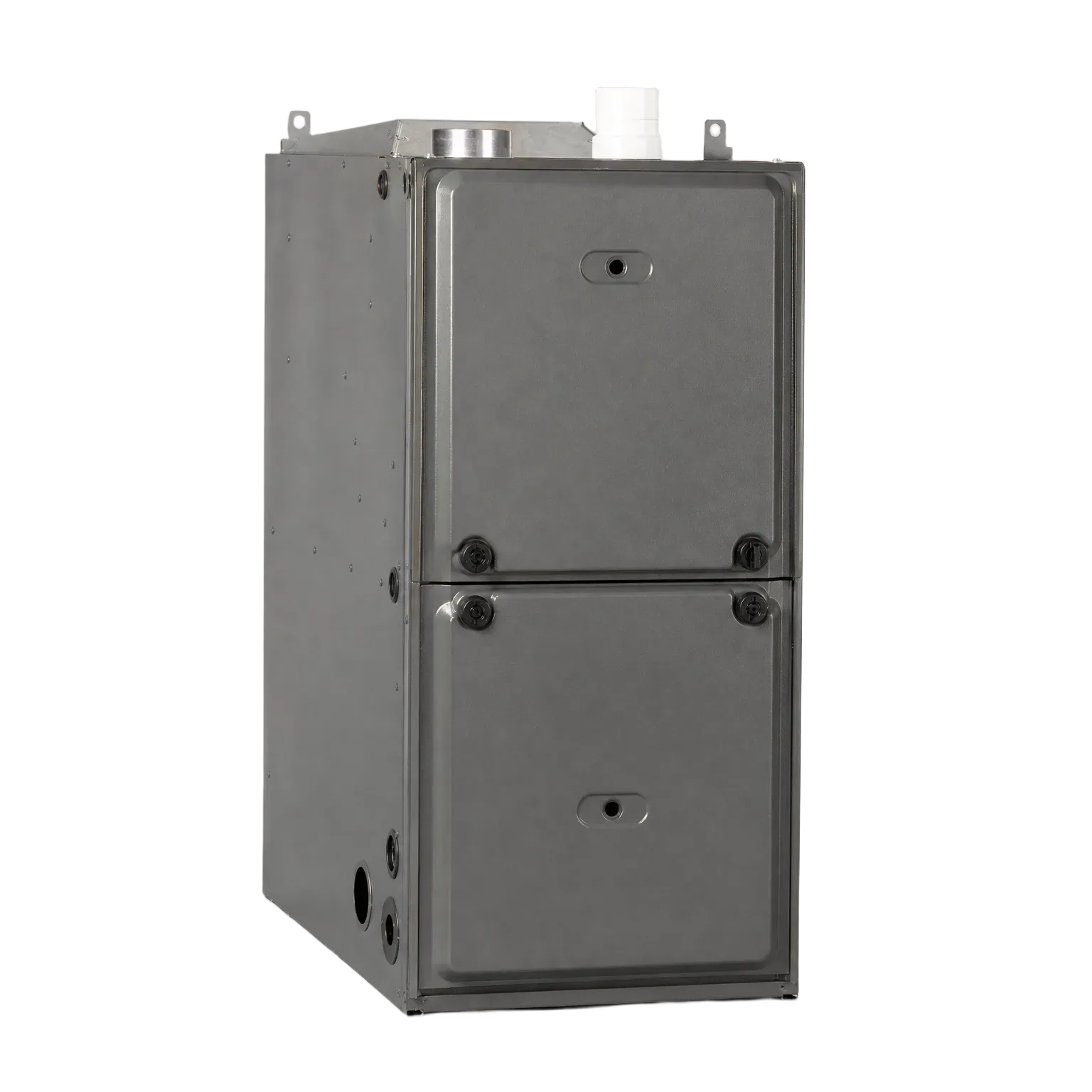
A gray high-efficiency furnace with two access panels stands in a bare basement corner, connected to sheet-metal ductwork, white PVC vent pipes, and flexible gas and electrical lines.

Power cycling makes it worse

Most oil furnaces in Vermont still use a hot surface ignitor to light off at startup, and that ignitor pulls a real jolt of current each time it heats up. With electricity rates here among the highest in the country, some homeowners drop the thermostat lower overnight and let it swing more during the day. Every extra cycle is another heat-up and cool-down the ceramic has to survive.

A gas furnace with metal ductwork, copper and yellow gas piping stands against a wall in an empty room with a bare concrete floor.

Short cycles add up fast

A furnace that's oversized for the house, or stuck with a dirty flame sensor or weak draft, will shut down and restart more often than it should. Each restart means the ignitor heats up, glows, and cools again. Over a winter that runs from October into April, those extra cycles can put years of wear on a part rated for a few thousand of them.

Why does my furnace ignitor keep burning out every year?

Why does my furnace ignitor keeps burning out every year?

Because it's cracking from the same stress, every single cycle

An ignitor doesn't wear out evenly over time the way a bulb dims. It fails in one moment, when a hairline crack finally breaks the circuit, and that crack started small weeks or months earlier. Every time your furnace fires, the ignitor heats from room temperature to over 2000 degrees in seconds, then cools again when the burner shuts off. That swing is what fractures the ceramic. A furnace that short-cycles, firing up and shutting off more often than it needs to, puts the ignitor through that swing more times per winter. If yours failed again this fall, the part itself may be fine. What's stressing it might be a dirty flame sensor or a airflow problem forcing more cycles than the ignitor was built for.

A gray furnace with sheet-metal ductwork, PVC vent pipes and a yellow gas line stands on a concrete basement floor beside wooden stair framing.

Ignitor holding up

This is what a furnace looks like when the ignitor is doing its job. It glows, heats the burner, and shuts off current the moment the flame sensor confirms ignition. No long glow time, no repeated clicking from the thermostat trying again. The furnace lights on the first try, every cycle.

An older gas furnace with a louvered front panel stands on a concrete basement floor beside galvanized sheet-metal ductwork, a metal flue pipe, gas piping and a flexible conduit along a concrete wall.

Ignitor on its way out

A furnace with a failing ignitor often starts before you see smoke or hear a bang. You'll notice longer delays before the burner catches, or a furnace that tries twice before it lights. Left alone, the crack spreads until the ignitor stops conducting current at all, and the furnace won't start.

Is your furnace clicking a few times before it finally lights?

That's the ignitor struggling. You might hear the burner click, pause, click again, sometimes three or four tries before the flame catches. Some mornings it won't catch at all, and the house stays cold until someone resets it. You may notice the furnace running longer to make up for the slow start, or the thermostat showing a few degrees under what you set it to. Left alone, a failing ignitor usually doesn't fix itself. It either keeps limping along with longer and longer delays, or it quits outright on a cold night, and with most homes here heating with oil, a furnace that won't fire means no heat until it's looked at.

A dim unfinished basement with concrete walls, exposed floor joists, a small window, and a furnace connected to metal ductwork and PVC venting.

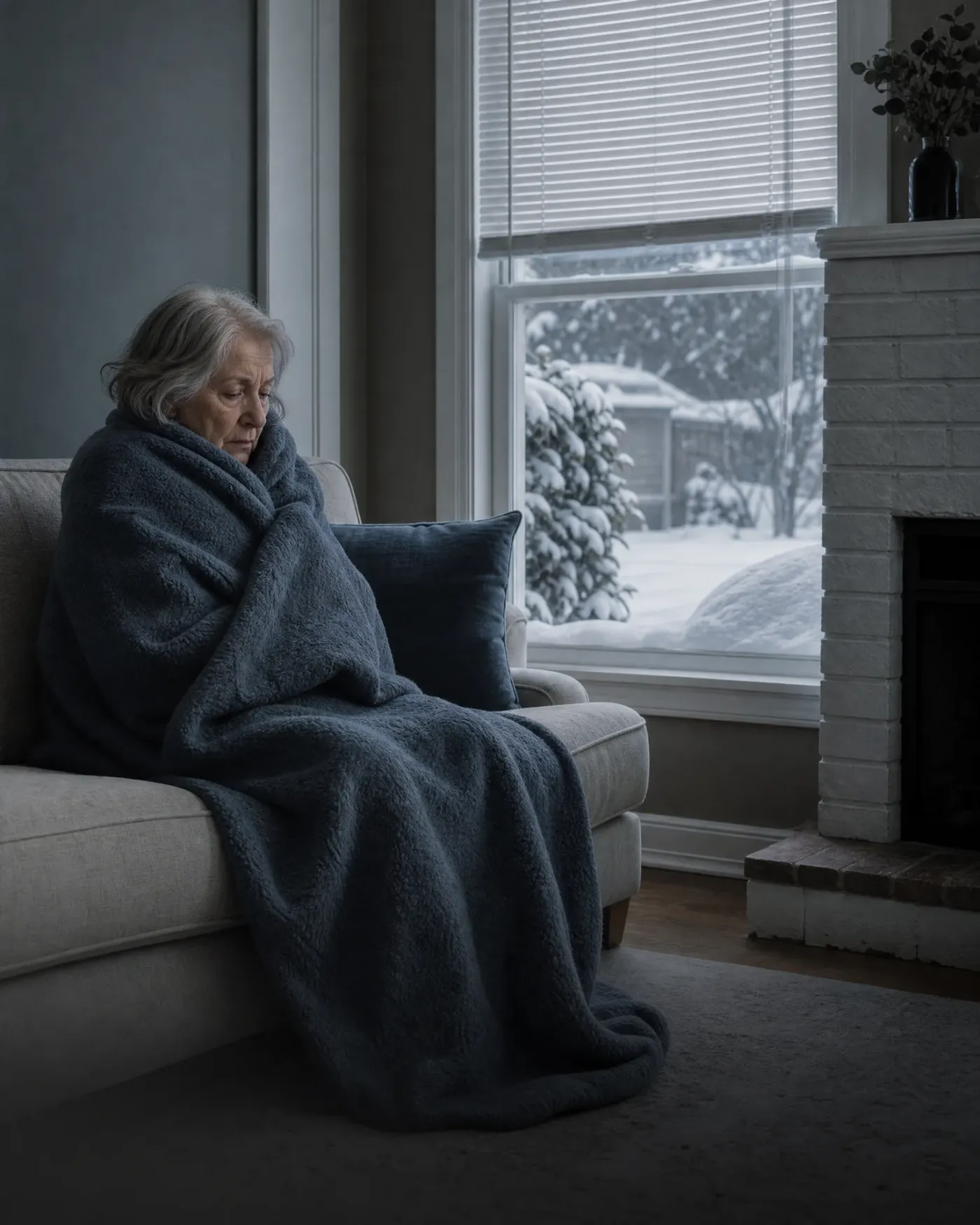
By six that evening the basement is nearly dark, just the bulb over the workbench. You go down because the air coming through the vents upstairs has gone cool and the thermostat still reads sixty-eight, climbing nowhere. The furnace sits quiet. No hum, no click, no glow from the burner. You crouch and listen for the clicking you heard yesterday morning, the three or four tries before it caught. Nothing now. Just a thin haze of dust drifting in the flashlight beam, settling over the burner tray. Outside it's already near freezing, the kind of November evening Vermont gets used to fast, and the oil in the tank isn't doing anything until this thing lights again.

Hand off the search today

Describe what your furnace is doing once, in one form.

No fee to send it, and nothing to sign.

Replace it yourself and wait

A furnace ignitor is a cheap part, and plenty of homeowners order one and swap it in an afternoon. If the crack was just bad luck, that fixes it. But if something else is driving the failures, a new ignitor goes through the same stress and cracks again in a season or two. You've spent the time and the part cost, and you're back where you started, except now it's January and the furnace won't light.

Have someone find the cause

A contractor checks what's feeding that ignitor before putting in a new one. Voltage running high or low, a flame sensor that's making the ignitor stay hot longer than it should, a control board sending more current than the ignitor is rated for. Any of those will crack a new ignitor just as fast as the old one. Fixing the actual cause means the next ignitor put in is likely the last one needed for a while.

A smiling man in a gray long-sleeved shirt stands in a kitchen looking to the side, with open shelves of dishes, a white mug on the counter, a potted plant, and a view through a doorway into a living room.
A smiling bearded man in a green sweater sits at a white marble kitchen island with a mug, potted plant and bowl of fruit, in a bright white interior with open shelving and an arched doorway.
A smiling man with dark curly hair and a beard, wearing a dark green knit sweater, stands at a white marble kitchen counter with a dark blue mug, with open shelving, pendant lights and a houseplant behind him.
A smiling man in a green ribbed sweater stands behind a wooden table holding a ceramic mug of coffee in a kitchen with white subway tile, shelves of potted plants, and a bowl of fruit.
A gray high-efficiency furnace in a basement with PVC venting pipes, a yellow gas line, metal ductwork, concrete walls and floor, and a wood-framed stairway at left.

Lighting on the first try

This is a two-stage cabinet with the flue pipes and gas line run clean and the plenum sealed up tight. The ignitor glows once, the burner catches, and the furnace settles into its cycle without a second try.

A beige furnace with a louvered front panel and metal ductwork stands on a concrete basement floor beside pipes and a white cylindrical water heater.

An older furnace working harder than it should

This cabinet has seen more winters, with ductwork and a gas line that have carried a lot of cycles. An ignitor under this kind of load cracks sooner, and a furnace that hesitates here is one worth having looked at before the cold snap that matters most.

Winter nights average 12°F statewide

Vermont winter nights average 12°F. At that temperature your furnace is cycling on and off most of the night just to hold the house steady, and every cycle means the ignitor heats up and cools back down again. That's a lot of stress on a thin ceramic strip over a winter.

NOAA nClimDiv 1991-2020 county normals weighted by homes

Call a repair tech once and let them find the real cause

Or keep a spare ignitor on the shelf and swap it each time one cracks, which costs less upfront but never looks at why the furnace keeps eating them

A man in a blue T-shirt sits on a light gray sofa, laughing while looking at an open laptop in the foreground, with a framed picture, lamp and potted plant behind him.
A bearded man in a blue and brown plaid flannel shirt stands indoors looking out a window at snow-covered trees, with a ceramic mug on the windowsill.
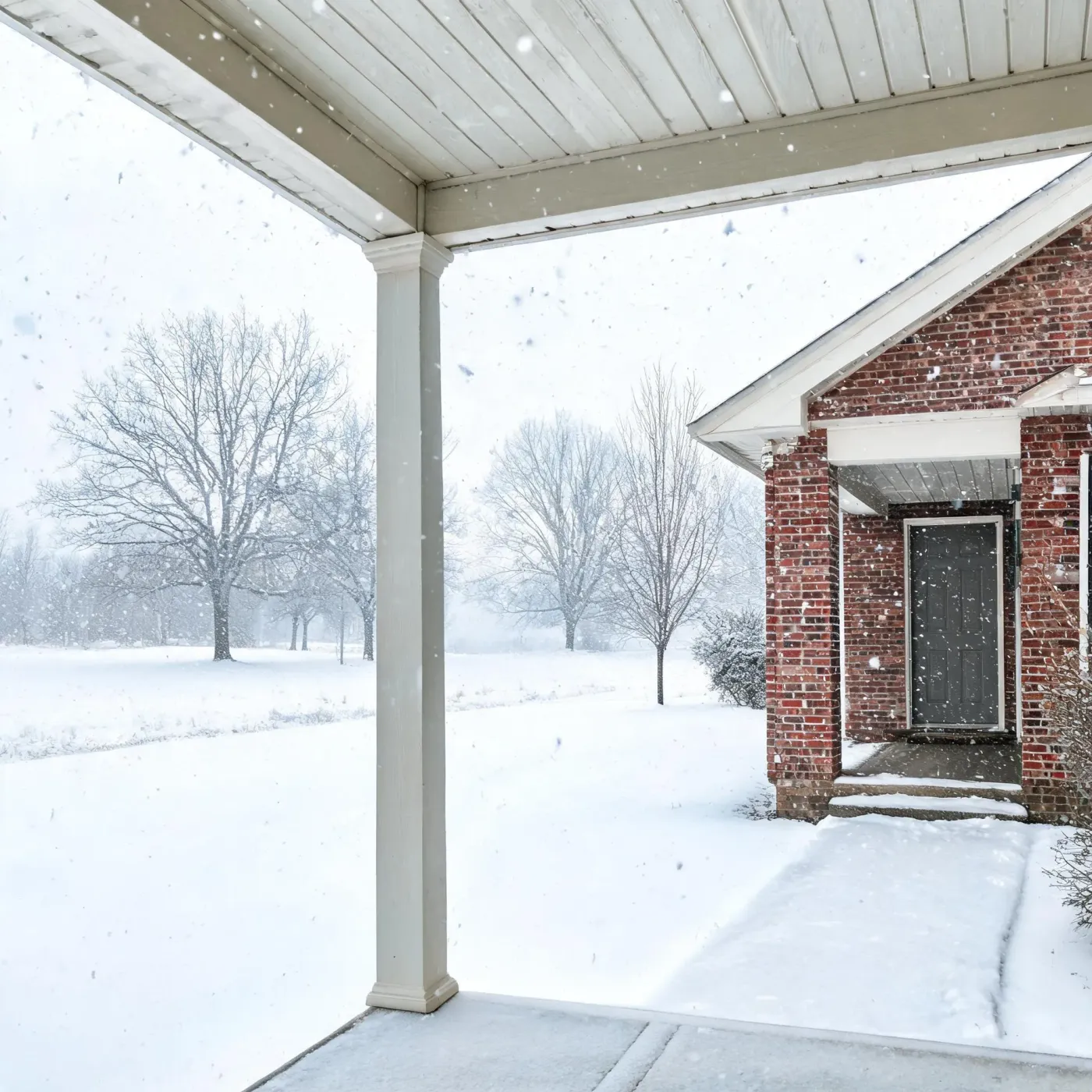
View from under a covered porch with a white column toward a red brick house with a dark door, with falling snow, snow-covered ground and bare trees in the background.

Winter nights average 12°F statewide, according to NOAA climate data, and that's the stretch where ignitor failures show up most. At that temperature your furnace can't just light once and coast. It's cycling on and off for hours to keep the house at 68, and each cycle means the ignitor heats up past 2,000°F, then cools back down before the next call for heat. A ceramic strip that might've lasted a few seasons in a milder climate is doing that dozens of times a night here. You'll notice it first as slower starts, a longer glow before the burner catches, then one morning it just won't catch at all.

NOAA nClimDiv 1991-2020 county normals weighted by homes

Swap the Part or Fix the Cause

Keep swapping ignitors

  • You keep a spare on the shelf and swap it yourself each time one cracks, usually in under an hour.
  • The part itself is cheap, so each swap is a small cost compared to a service call.
  • If the crack really was just bad luck, a fresh ignitor fixes it and you're done.
  • Nothing gets checked on the furnace itself, so a bad inducer draft or a flame sensor out of position keeps doing the same damage to the next one.
  • You're the one driving to the supply house or waiting on a part to ship, every single time it fails.
  • Some winters this means doing the swap two or three times before the real cause ever gets looked at.

Have it diagnosed once

  • A tech checks what's actually stressing the ignitor, not just the ignitor itself.
  • If the cause is a draft problem or a sensor out of place, fixing that stops the cracking instead of just replacing what cracked.
  • You stop losing evenings to basement trips when the furnace won't catch on a cold morning.
  • One visit replaces calling around for quotes, explaining the clicking and the cold mornings more than once, and sorting through who to trust.
  • Vermont winter nights that run close to freezing all night mean a furnace with an unresolved cause will keep testing the fix you didn't make.
  • Once the form is in, finding someone to look at it stops being something you have to manage.
  1. Thermostat calls for heat and furnace control board powers up

  2. Hot surface ignitor heats to glowing orange in seconds

  3. Ceramic strip expands fast, and the crack starts there

  4. Gas valve opens and flame catches off the hot ignitor

A closed dark laptop and a ceramic mug of coffee on a wooden dining table, with wooden chairs, a dark kitchen cabinet with cutting boards and a potted plant, and a leafy plant by a window in the background.

A cracked ignitor is a symptom, not the problem

Your furnace keeps eating ignitors because something upstream is stressing that ceramic strip every time it fires. A tech who actually traces the gas pressure, the cycle rate, and the airflow across the burner will find it. Swapping the part on your own only buys you until the next one cracks.

You don't have to spend an evening calling around to find out who even works on oil furnaces in your area, explaining the same clicking and failed startups to three different shops, then sitting with quotes trying to guess which one actually knows what they're doing. Send the form once and that search is off your plate. Someone qualified gets the details and takes it from there.

A living room corner with a beige sofa and cushion, a round wooden coffee table holding a pale ceramic vase of eucalyptus stems and a wooden bowl, and a curtained window with a potted plant above a latticed radiator cover in the background.
Elevated view over a dark standing-seam metal roof with a stone chimney and wood-sided gable, surrounded by conifers and autumn-colored trees with forested hills under an overcast sky.

Stop chasing a furnace pro

Send my request

Sending the form costs nothing.

You've already read the house's temperature by hand enough winters to know when the furnace is struggling. Send the request and the search ends: no calling around, no explaining the clicking and the cold mornings twice. Someone who traces ignitor failures back to their cause takes it from here.