Signs your ducts need cleaning in Barre, VT

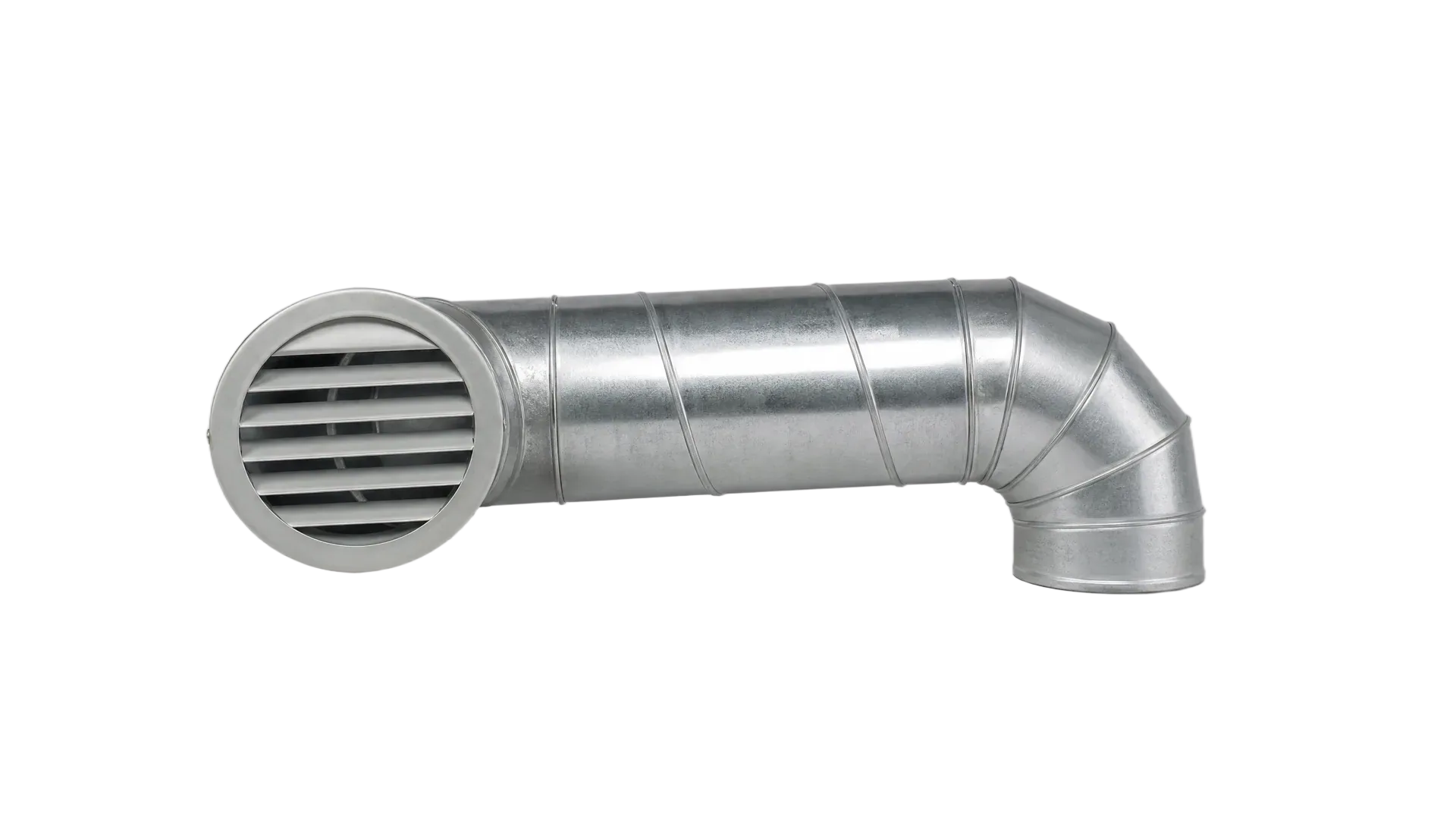
A galvanized steel round duct section with a 90-degree elbow at one end and a louvered vent grille at the other, photographed against a plain gray background.
Get a local pro

What are the signs your ducts need cleaning?

You've noticed something, maybe dust settling back on furniture a day after you clean, or a musty smell when the heat kicks on, and you're wondering if it's the ducts behind it. With oil heat running hard through a Barre winter and the furnace or air handler pushing air through the same ductwork for months on end, it's a fair question to ask before you spend money on something that might not fix it.

Dust, a musty smell when the system runs, and weak airflow at the vents

Dust that resettles fast after you clean it is the clearest sign. So is a musty or stale smell that shows up specifically when the furnace or air handler turns on, not all the time. Weak airflow out of certain vents, compared to others in the house, points the same direction. Visible dust or debris around the vent covers themselves is worth a look too. These show up because the duct system moves the same air through the house all winter and all summer, and whatever collects in it gets pushed back out every time the system runs. A system that runs as much as yours does through a Washington County winter has more hours to build that up than one that barely runs at all.

Unfinished basement with exposed wood joists, galvanized sheet-metal ductwork, insulated flex ducts, piping, a small window, and a furnace or air handler against a gray wall.

Ducts running clean

Air moves through the system and out the vents without dragging anything along with it. No dust shadow around the registers, no smell when the furnace kicks on. The joints and runs stay free of buildup, so what comes out of the vent is just warm or cool air.

Empty basement room with bare concrete walls and floor, and an exposed ceiling of wooden joists with large galvanized sheet-metal ductwork and pipes.

Ducts in trouble

Dust has settled into the seams and corners of the runs and gets pushed into the rooms every time the blower starts. You might see it collecting at the vent covers or notice it in the air after the furnace has been running a while. That's buildup moving, not just sitting still.

What am I actually seeing in my own house

Walk through it room by room. Dust that comes back fast on the TV stand or the windowsills, even a day after you wipe them down. A gray smudge on the wall or ceiling right around the vent covers. A smell that shows up specifically when the furnace kicks on, not before, more musty than dirty. Maybe someone in the house has been sneezing more since the heat started running, or an old allergy seems worse than it used to be. Pull a vent cover off and look inside with a flashlight. If you see buildup clinging to the inside edges of the duct, that's not something a wipe-down fixes. Left alone through a long Washington County winter, it keeps recirculating through every room the duct feeds.

  1. Dust and debris settle inside the duct runs and joints over time.

  2. Furnace blower turns on and stirs that buildup loose.

  3. Loosened dust rides the airflow straight to your vents.

  4. Air carries it into the room and back onto your furniture.

Why would an old house in Washington County need duct cleaning?

  • Half the homes here were built by 1973

    Half the homes in Washington County were built in 1973 or earlier. Older duct runs have had more years to collect dust, and more chances for a repair to leave debris behind.

  • Heat runs September through May

    Heat runs here from September through May, close to nine months straight. That's nine months of the blower pushing air through the same ducts, stirring up whatever has settled in them.

  • Power here costs 23.23 cents per kilowatt-hour

    Electricity here runs 23.23 cents per kilowatt-hour, among the highest rates in the country. Ducts clogged with dust make the blower work harder to move the same air, and that shows up on the bill.

ACS 2020-2024 · NOAA nClimDiv 1991-2020 · EIA-861 2025

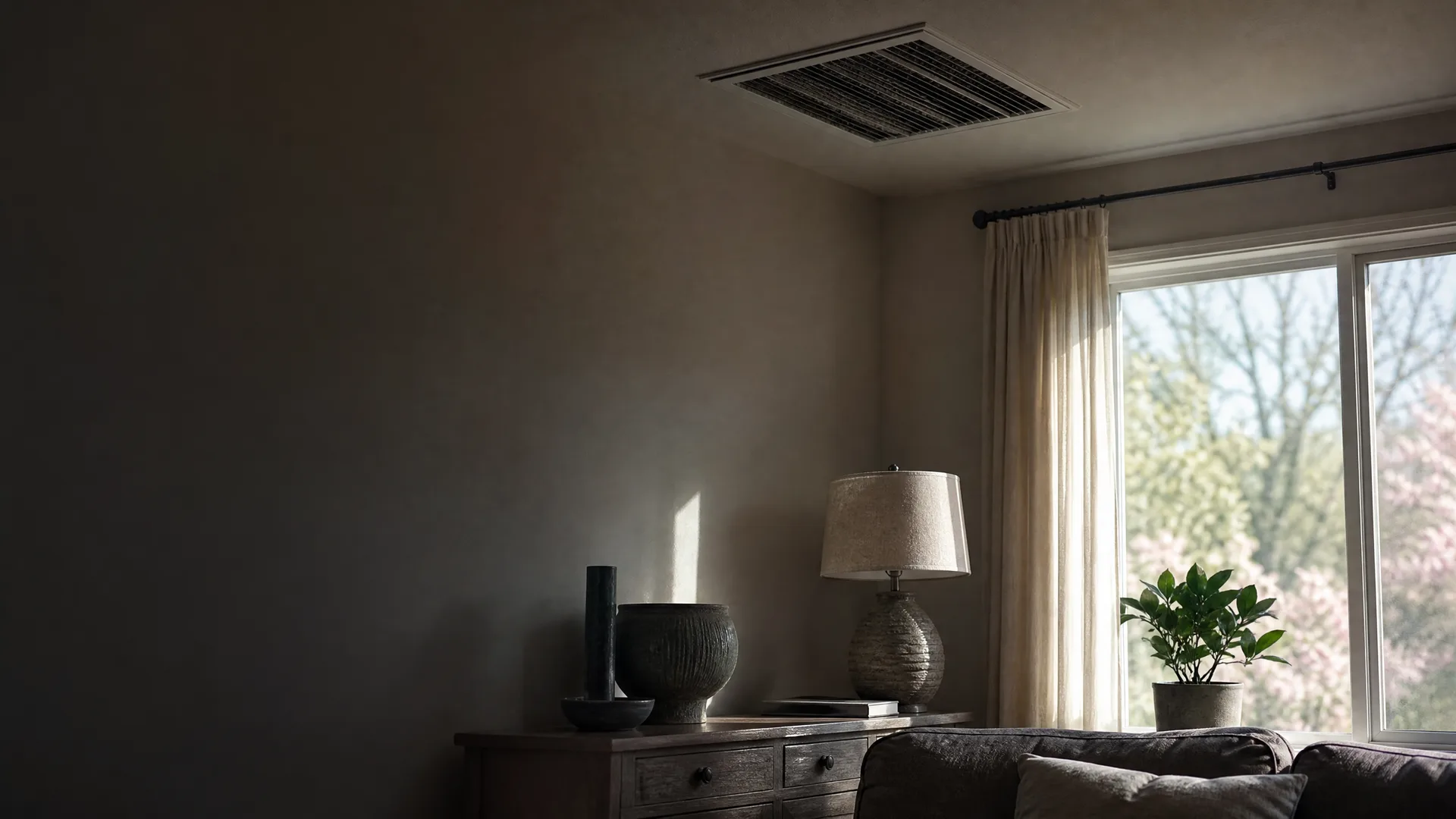
A dim living room corner with a ceiling air vent, a curtained window showing blossoming trees, a table lamp and dark ceramic vessels on a wooden dresser, a potted plant, and a sofa in the foreground.

The furnace kicked off a few minutes ago and the house has gone quiet again. Sun comes through the living room window, low and bright the way it gets on a clear spring afternoon, and it catches the ceiling vent grille square on. The slats are gray with dust, thicker than you'd expect, and the same haze sits on the TV stand underneath it, right where the air blows down. You ran a cloth over that stand yesterday. You're standing there looking at it, not sure yet if this is a duct problem or just a dusty house, but it's enough to make you want someone to look at the system who'd know the difference.

Matched to your ductwork job

Fill out one short form instead of calling around.

Sending the form costs nothing.

Why oil heat loads ducts faster

An oil furnace burns dirtier than gas, and some of that gets past the filter and into the duct runs. Over a winter of hard use, that buildup settles into the joints and the bends where airflow slows down. Washington County homes running oil heat October through April are moving more of this through the system each year than a house on gas would. The filter catches what it can, but it was never built to stop everything, and what gets past it has to land somewhere. That somewhere is the ductwork.

What a sealed duct run looks like

A duct system that is doing its job has tight joints and smooth runs with nothing loose inside to catch dust as it passes. Air moving through picks up nothing along the way, so what leaves the vent is the same air that left the furnace. There is no gray ring building at the register, no smell riding the airflow when the blower kicks on. That is the baseline a working system holds to, and it is what separates a duct problem from dust that is just doing what dust does in any house.

A woman in a cream cowl-neck sweater sits by a window with snow outside, in a dimly lit living room with a sofa, lit lamp, mirror, candles and a fireplace.
A woman in a gray turtleneck sweater sits beside a large window looking out at snow-covered evergreen trees, in a dimly lit living room with a lit fireplace, lamps, couch and houseplant.
A woman in a cream turtleneck sweater stands beside a large window with snow-covered ground and bare trees outside, in a dimly lit living room with lamps, a sofa and framed art.
A woman in a grey cowl-neck sweater stands indoors near a window, looking out at falling snow, with a lamp, framed picture and couch in the warmly lit room behind her.

A few months since your last cleaning

Dust hasn't had time to build up much yet. Vents stay clear, air moves the way it should, and there's nothing to wait on. Checking now just confirms what you already expect.

Find my pro

Three winters of oil heat since the last cleaning

That's three seasons of soot and dust settling into the joints and bends where air slows down. Enough time for it to start showing up on your furniture and in the air.

Find my pro
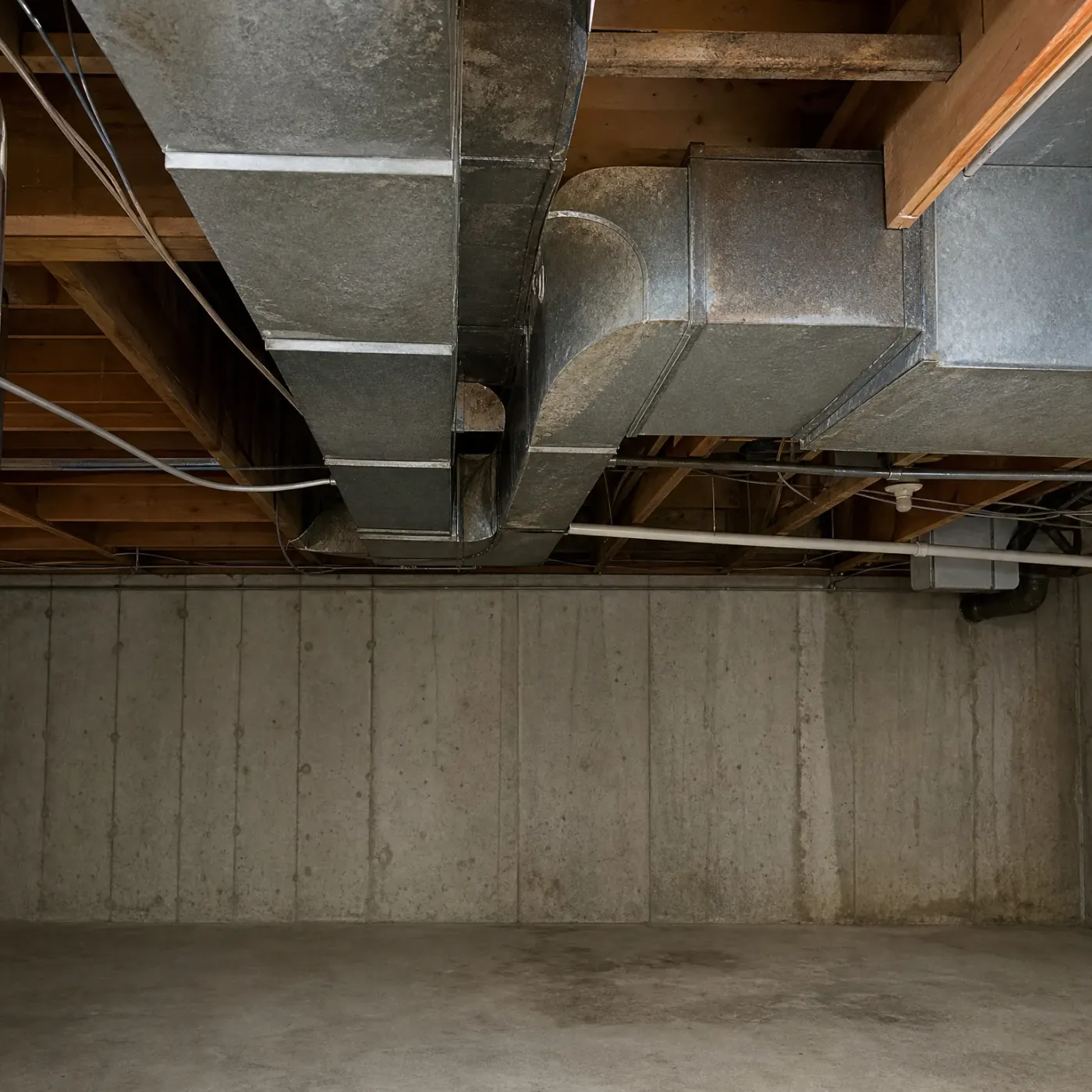
Unfinished basement with bare concrete walls and floor, and galvanized sheet-metal HVAC ducts, pipes and wiring running along the wood-joist ceiling.
Before you get your ductwork cleaning
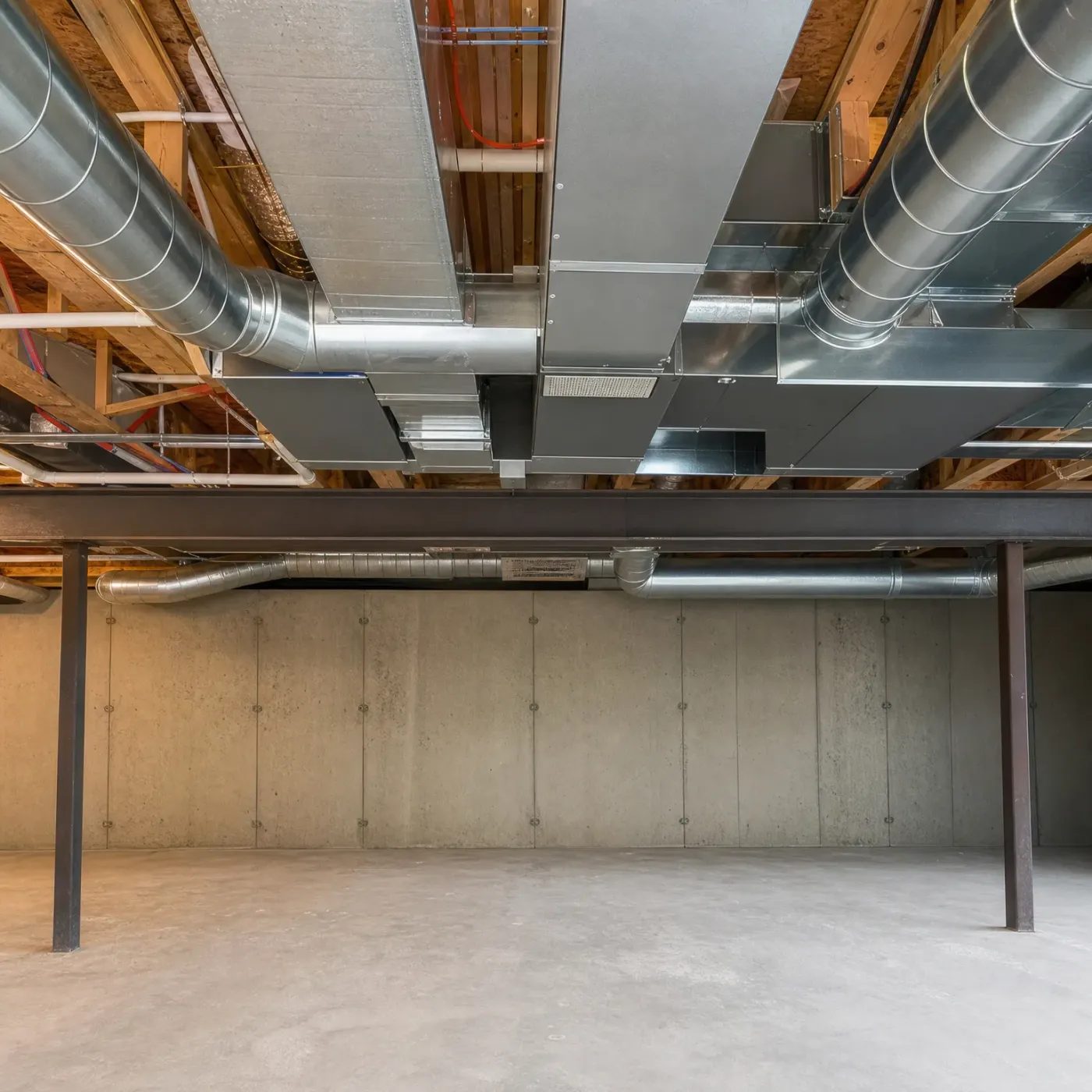
Unfinished basement with concrete walls and floor, a steel beam on posts, and exposed wooden joists with sheet-metal ductwork and piping overhead.
After you get your ductwork cleaning
Unfinished basement with bare concrete walls and floor, exposed wood joists, and large sheet-metal HVAC ducts and pipes running along the ceiling.

What a clean system looks like

Air moves through the ducts and out the vents without picking anything up along the way. The runs stay clear through the joints and bends, furnace and all, so nothing sits there waiting for the blower to kick it loose.

Basement interior with galvanized rectangular and round sheet-metal ductwork and copper piping running below a wood-joist ceiling, above a concrete wall and bare concrete floor.

What buildup looks like

Dust gathers in the runs and joints until the blower has enough to stir loose. Round and rectangular ducts both collect it in the same low spots, and every time the furnace cycles on, some of it rides the air back into the house.

A woman stands in the open front doorway of a single-story house with stone and wood siding while a man in a dark polo shirt and cap walks toward it along a concrete path.

So that's what you're looking at

Dust that comes back fast, a smudge around the vent covers, a smell when the furnace first kicks on after sitting idle. Any one of those points to buildup sitting inside the duct runs, and a winter of oil heat in Washington County gives it plenty of chances to collect. You don't need all three signs to have an answer. One is enough to act on.

Getting someone out to look at it is its own chore, calling around, explaining what you're seeing more than once, trying to tell which quote covers the whole job. You can skip that part. Answer a few questions about your house and what you've noticed, and a contractor who handles duct cleaning in your area will reach out to you directly, already knowing what you're dealing with.

A speckled beige ceramic vase holding thin dried branches sits on a round wooden table near a window with sheer curtains, with a dark upholstered chair and draped blanket blurred in the background.
A shingled two-story house with lit windows and stone accents at dusk, with a stone paver walkway and landscape lighting leading past ornamental grasses toward a calm bay under an orange and blue sky.

Ductwork Cleaning

Get matched with a duct system pro in Washington County

Duct and vent cleaningDucts or ventsWashington County, VT
Step 1 of 2

What ZIP code is the job in?

  • A ceramic vase holding leafy green branches and a shallow wooden bowl sit on a wooden window ledge beside a sunlit window, with a cream upholstered chair and knit throw in the foreground.
    • Get matched with someone who does this kind of work in Washington County.
    • Get matched with a Washington County pro who cleans ducts.
  • Sunlit living room corner with a beige upholstered sofa, a round wooden side table holding a ceramic vase of olive branches, linen curtains at a window, a floor vent in the baseboard, and a woven jute rug on hardwood flooring.
    • Send the form and the duct cleaning stops sitting on your list.
    • Send the request and finding a pro stops being your problem.
  • A wooden side table with a single drawer holds a shallow carved wood bowl and a white ceramic vase of green eucalyptus stems, beside a window and an upholstered chair draped with a cream knit throw.
    • One form replaces the calls you'd make to find a duct system pro.
    • Skip calling around for someone who cleans ducts.
  • Corner of a house with horizontal siding, a white-framed window and stone veneer base, beside a covered entry with wooden steps, a potted plant, mulched beds of green shrubs and a flagstone path.
    • The pro who reaches out is licensed in Vermont.
    • Only one pro gets your request, so you hear from one company.