
HVAC Repair in Rutland, VT
If your system quits, tell us what it's doing and a licensed contractor who covers Rutland County will get in touch.
Tell us about the job
It takes about a minute.
Nine months of heat, and winter nights near 12 below zero
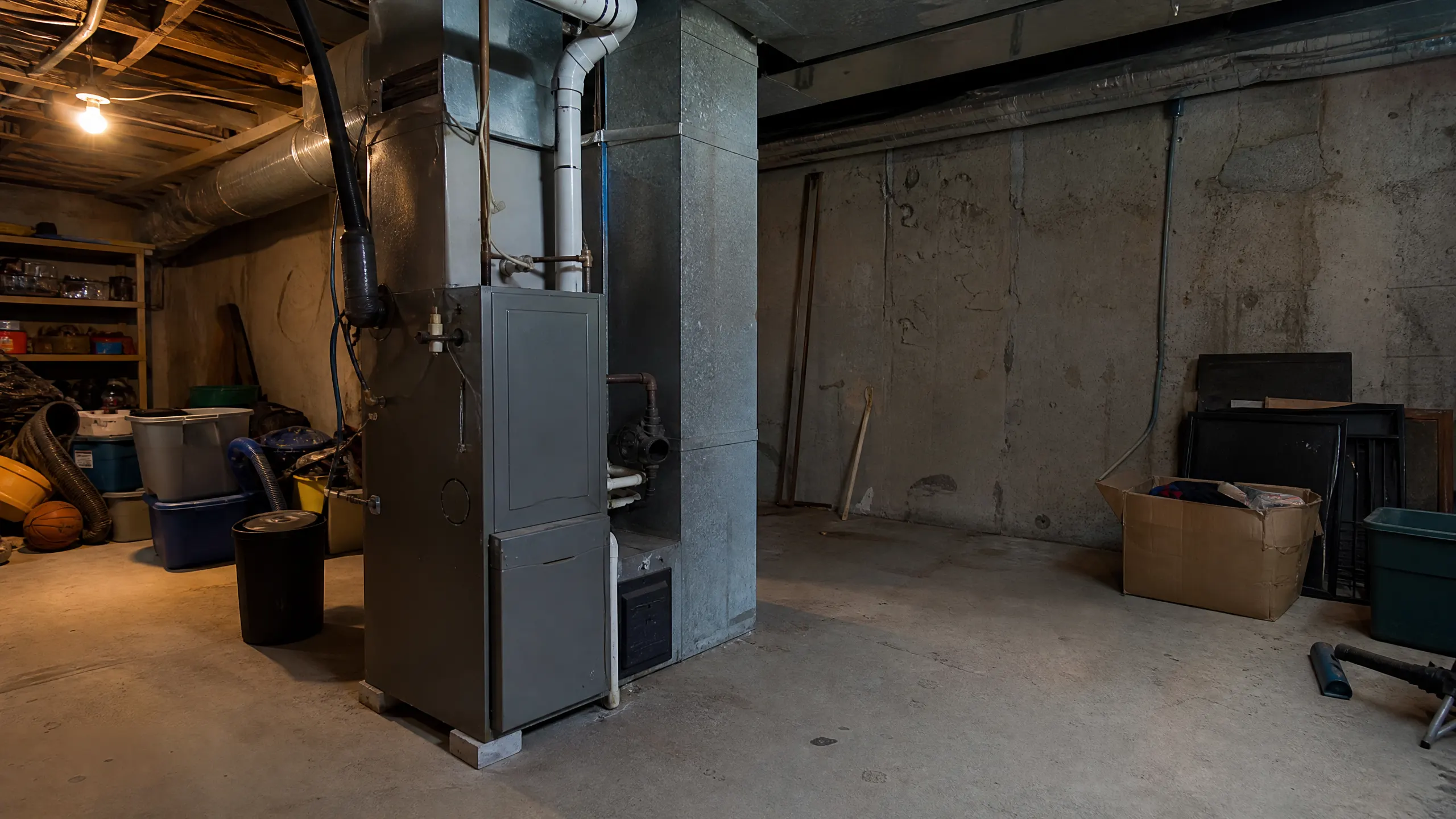
Rutland County homes run their furnace or boiler from September through May. That is nine months of the burner or heating element cycling on and off, night after night, to keep up with winter lows that average 12°F. Most of that load falls on the ignition system and the heat exchanger, and years of hard winters wear both down. A worn igniter or a cracked exchanger shows up the same way. The system runs but the house stays cold, or it shuts itself off before the rooms warm up.
Most homes here heat with fuel oil, so the burner, the nozzle, and the fuel line all take that same daily cycling. Summers are short and mild, with afternoons near 77°F, so any air conditioning in the house has little to do most years. The bigger risk is what the storms do to the power. Rutland County has seen 66 winter storms and 104 damaging wind events over the past ten years, and a large share of Vermont households lost power for a full day or more in 2024. When the power drops on a cold night, the furnace or boiler stops with it, and a home starts losing heat fast.
- 9 months
- September through May, your system heats
- 12°F
- the average winter night it heats against
- 77°F
- the average summer afternoon it cools against
Vermont has no state license for HVAC contractors.
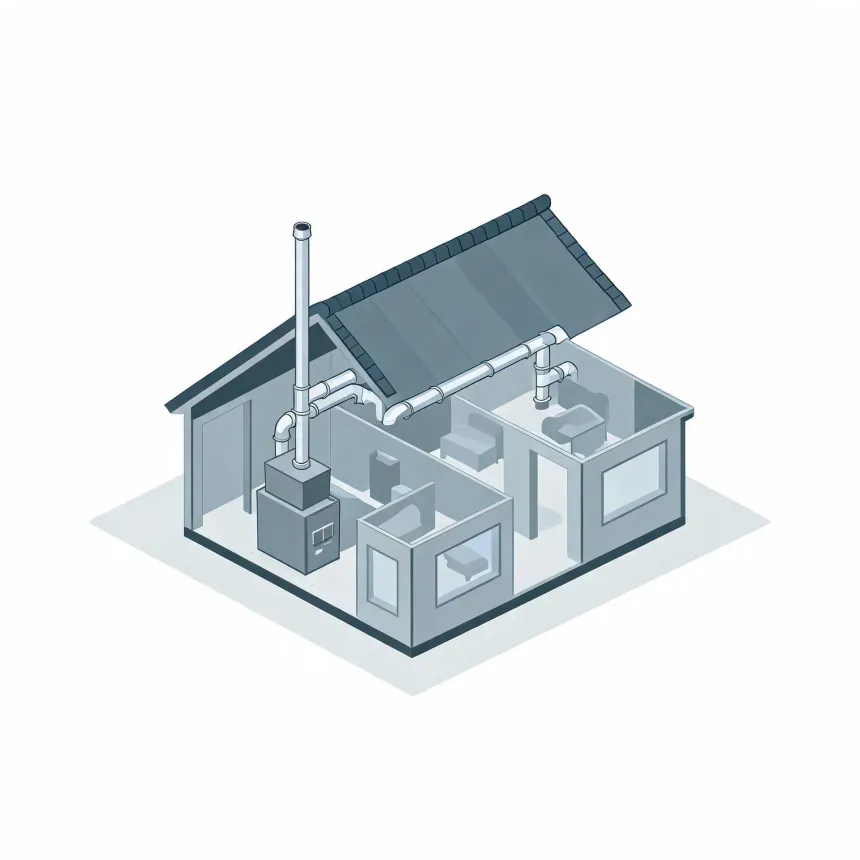
Vermont keeps no state record of who does heating and cooling work. No license, no registration, nothing filed with the state that names a contractor as tested or qualified before they take a job. Whatever a contractor tells you about their training or years in the trade, the state has not checked it.
That means nothing stands between a homeowner and a contractor except what the contractor brings on their own. There is no license number to point to on a repair like this, and no state board that reviewed this contractor before they walked in the door.
Source: Vermont Department of Public Safety, Division of Fire Safety
- Why is my heat not working?
- Start with the thermostat. If the display is blank or acting strange, check the batteries before anything else. If the furnace itself is dead, check the breaker and any switch on or near the unit, since a tripped breaker or a flipped switch will stop it cold. With fuel oil systems, which most homes here run on, check the oil level too. A tank that's run dry will shut the whole system down and won't restart on its own once you refill it. If power, fuel, and the thermostat all check out and you still have no heat, something inside needs a contractor's eyes on it.
- Why is my system running but not cooling the house?
- Check the filter first. A clogged filter blocks airflow through the coil, and when air can't move across it, the coil can ice up and stop cooling the air passing through. Next check that every supply vent in the house is open and not blocked by furniture or rugs. If the filter's clean and the vents are clear but the air coming out still isn't cold, the system likely has a refrigerant or mechanical problem that needs a contractor to diagnose.
- What can I check before calling for HVAC repair?
- Check the thermostat batteries and make sure it's set to heat or cool, not off. Check the breaker for the furnace or air handler, since a tripped breaker is a common and easy fix. Check the filter and swap it if it's dirty, since restricted airflow causes a lot of no-heat and no-cool calls. If the system runs on fuel oil, check the tank level. If you've checked all of that and the problem is still there, a contractor will need to look at the equipment itself.