
HVAC Installation in North Bennington, VT
Tell us about the house, and a licensed contractor who covers Bennington County will get in touch.
Tell us about the job
It takes about a minute.
Nine months of heat, and winter nights near 13 degrees
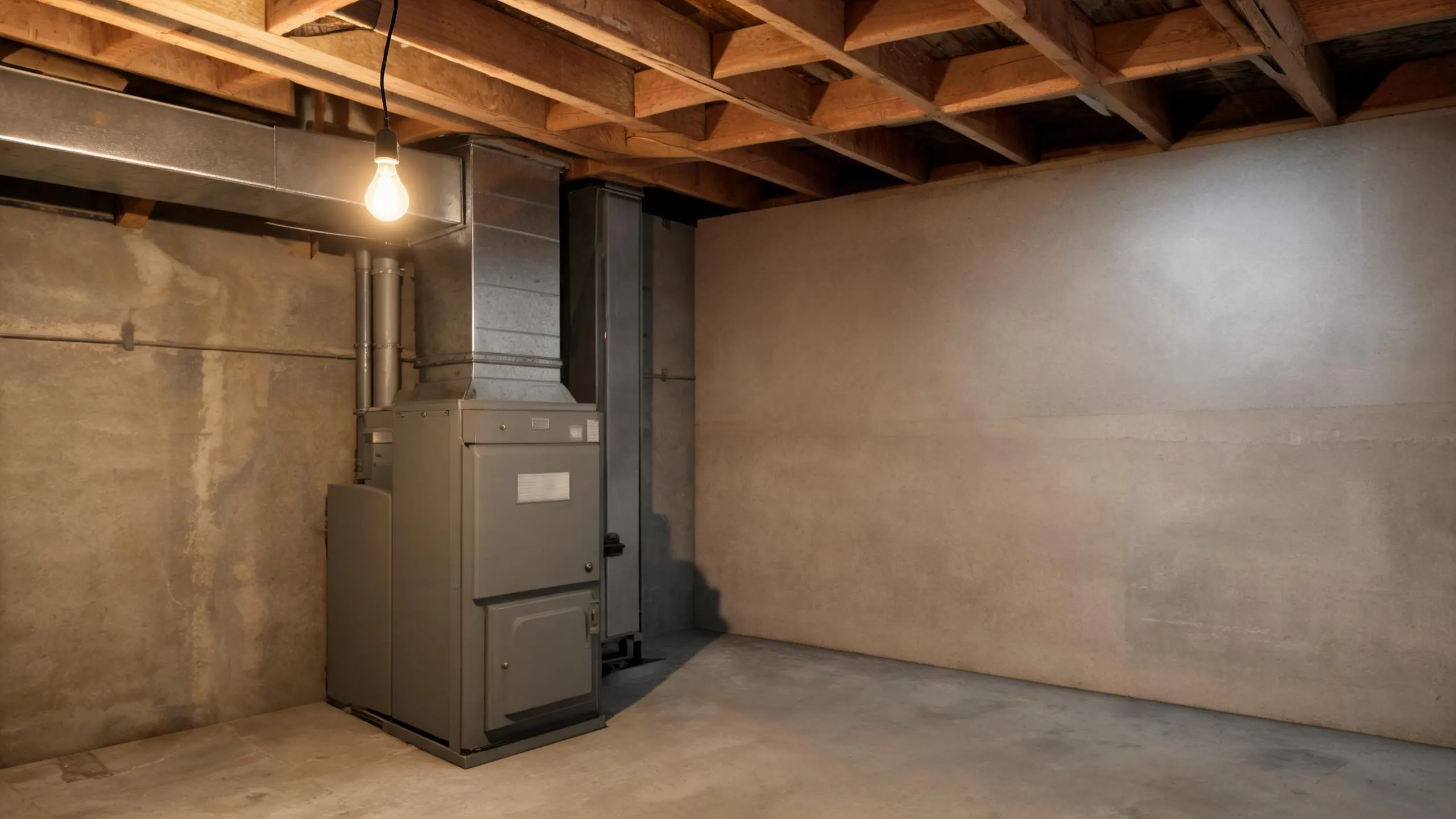
North Bennington asks a lot of a heating system. Winter nights average 13°F from December through February, and homes here need heat from September through May, nine months of the year. That is most of the calendar spent leaning on a furnace or heat pump to keep up.
57.3% of homes in this area heat with fuel oil. A new system has to be sized for those 13°F nights, not for a mild average, or it will run constantly and still fall behind. Summer afternoons average a mild 75°F, so cooling asks much less of the system here than the winter does.
- 9 months
- September through May, your system heats
- 13°F
- the average winter night it heats against
- 75°F
- the average summer afternoon it cools against
Vermont has no state license for HVAC contractors.
There is no license or registration behind that work here. No state test, no state record of who is doing the job, nothing to check a name against.
In most cities and counties, replacing a furnace, air conditioner or heat pump needs a permit from the local building office before the work starts, and an inspection once it is done. That inspection is what confirms the new system was put in correctly. None of that is a license. It is what stands in for one here.
Source: Vermont Department of Public Safety, Division of Fire Safety
- When should I replace my HVAC system?
- Replace it when repairs keep piling up or the system can't keep the house warm through a night at 13 below. A furnace that short cycles, one that needs a new igniter or heat exchanger, or one that struggles to get through nine months of heating season is telling you something. A furnace running from September through May year after year wears out faster than one that only works part of the year, so don't wait for it to fail on the coldest night to start looking.
- Should I replace my furnace and air conditioner at the same time?
- If both are old, it usually makes sense to do them together. A furnace and air conditioner installed at different times often don't match well, and a contractor sizing a new system has to work around whichever unit stays behind. Here, cooling isn't the priority. Homes need heat nine months a year and cooling zero months, so the furnace is doing almost all the work and is the one that should decide when you replace.
- What happens during an HVAC installation?
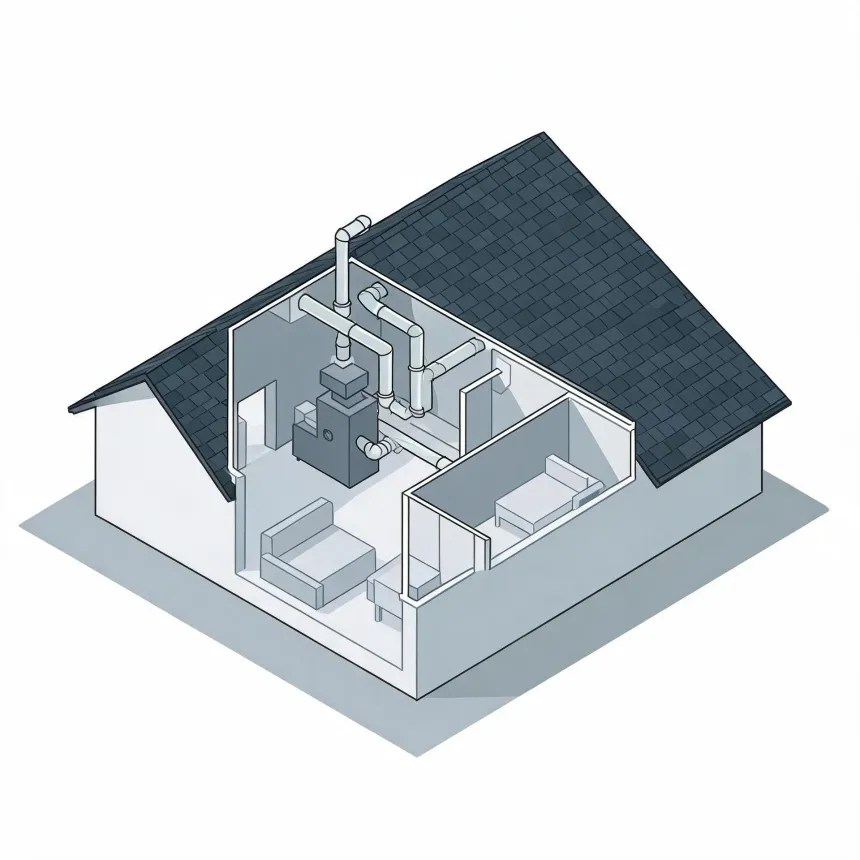
- A contractor removes the old equipment, sets the new furnace or heat pump and any outdoor unit in place, and connects it to the ducts, gas or electric lines, and venting your home already has. After that comes startup and testing, checking that it fires correctly, runs at the right pressures, and heats evenly. In most towns this work needs a permit from the local building office and an inspection once it's done, so ask the contractor how they handle that step.