
Furnace Installation in Bellows Falls, VT
A new furnace here will run from September through May every year. Tell us about the house, and a licensed contractor who covers Windham County will get in touch.
Tell us about the job
It takes about a minute.
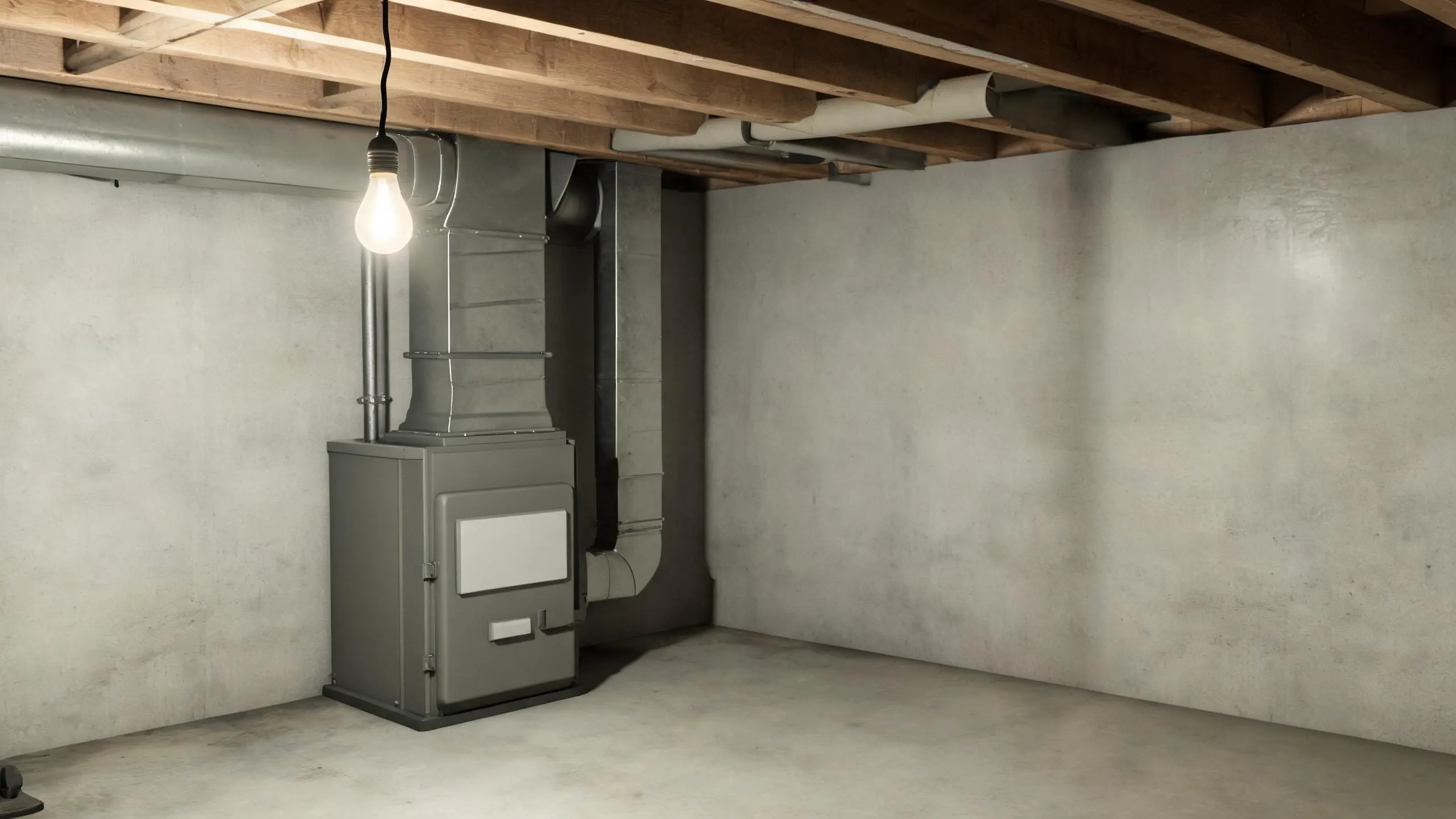
Nine months of heat, and winters that test the equipment
In Bellows Falls, furnaces run from September through May, nine months of the year. Winter nights average 14°F, so the burner is lighting and shutting off for most of the year, not just a few cold weeks. A new furnace here needs to hold up to that kind of use.
More than half the homes in this area heat with fuel oil, so sizing matters. Power outages are also worth planning for. In 2024, 21 percent of Vermont households went at least 24 hours without power, and a furnace, whether oil or gas, still needs electricity to run its blower and controls. If the new furnace runs on gas and was built after November 2015, federal rules require it to reach at least 80 percent AFUE.
- 9 months
- September through May, your furnace is on duty
- 14°F
- the average winter night it heats against
- 80% AFUE
- the federal minimum any new unit must meet
NOAA nClimDiv, 1991–2020 normals
Vermont has no state license for HVAC contractors.
There is no state license or registration behind that work. Vermont does not test HVAC contractors or keep a record of who is qualified to do this job, so nothing at the state level stands between you and whoever you hire.
What protection exists here comes from the local building office. In most cities and counties, installing a new furnace needs a permit, and the finished work gets inspected once it is done. That inspection is what checks the gas connection and venting are done right, since that is the dangerous part of a furnace install.
Source: Vermont Department of Public Safety, Division of Fire Safety
- What size furnace does my house need?
- It depends on your house, not a rule of thumb. A contractor works this out with a load calculation that looks at your square footage, insulation, window count, and ceiling height, then sizes the furnace to match. A furnace that is too big cycles on and off too fast and wears out sooner. One that is too small will run constantly through a Bellows Falls winter and still not keep up when it hits 14°F outside. Ask whoever gives you a quote to walk you through the calculation rather than guessing off the old unit's size.
- How do I know it's time to replace my furnace?
- Age is one clue, and so is how it's been running. With 9 months of heating season here, a furnace logs a lot of hours over its life, so an older unit has earned a closer look. Watch for rooms that won't get warm, a furnace that cycles more than it used to, or repair calls that start showing up every winter. If a technician tells you a major part like the heat exchanger has failed, that's usually the point where replacing makes more sense than fixing.
- Is a high-efficiency furnace worth it?
- Every non-weatherized gas furnace built new has to reach at least 80 percent AFUE, so the question is really whether to go above that baseline. With heat needed here from September through May, a furnace that wastes less fuel on every one of those cycles adds up over a long season. High-efficiency models also vent differently, through PVC pipe instead of a metal flue, which can affect where the furnace can go in your house. A contractor can lay out the efficiency options for your specific setup and let you weigh them against the installation cost.