
HVAC Repair in Morrisville, VT
If your system quits, tell us what it's doing and a licensed contractor who covers Lamoille County will get in touch.
Tell us about the job
It takes about a minute.
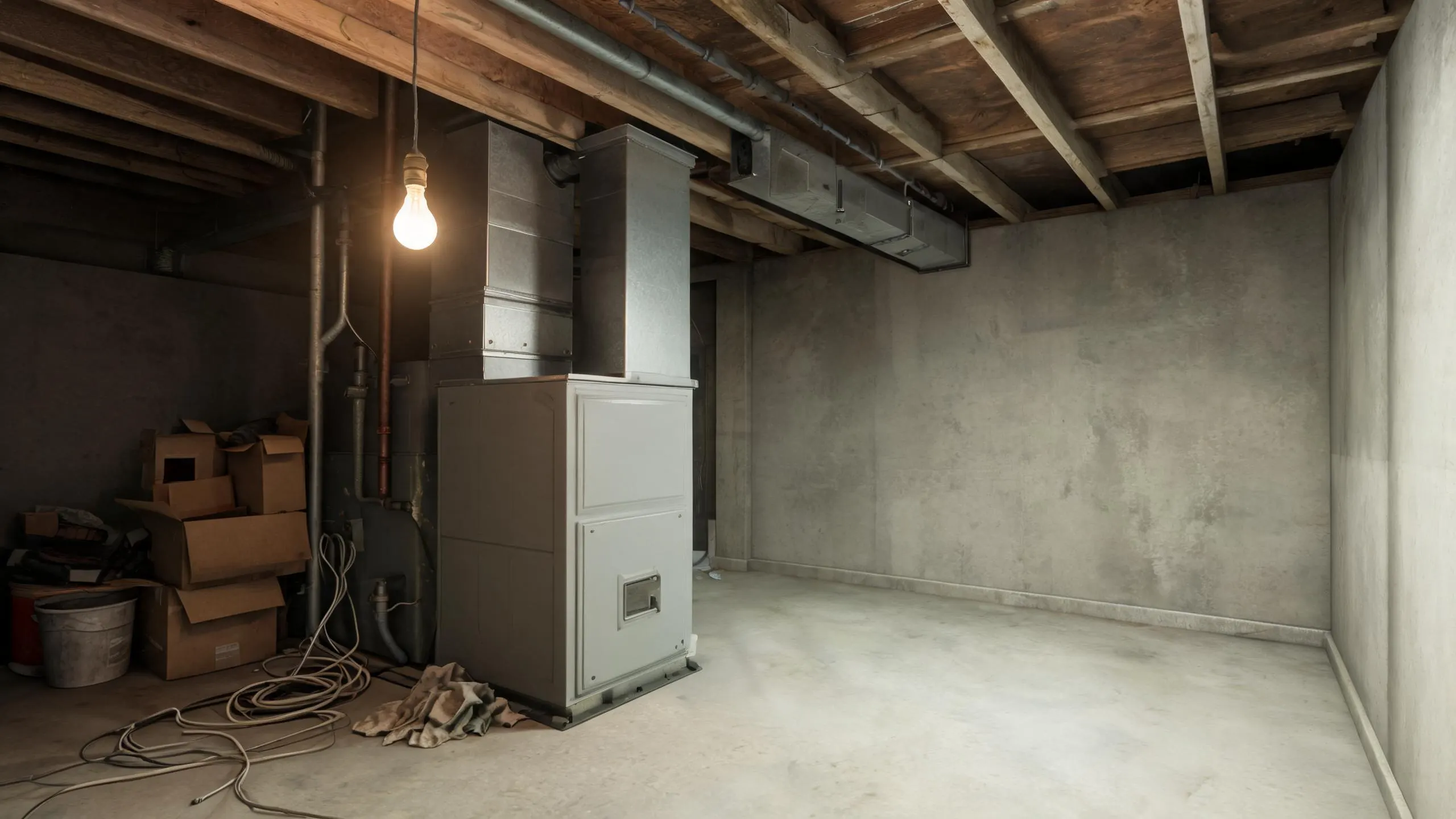
Nine months of heat, ten below at night
Your furnace in Morrisville runs from September through May, nine months of the year. On winter nights that average 10°F, it runs long and it runs often, and every cycle puts wear on the igniter and the blower motor. When one of those gives out at ten below, you know it fast.
A lot of homes here still heat with fuel oil, which means an oil-fed burner and a line that can clog or a nozzle that can foul. Summers are mild, with afternoons around 74°F, so your air conditioner rarely gets pushed hard. Vermont has seen 40 winter storms and 38 damaging wind events over the past ten years, and when the power drops, your furnace stops with it. The blower and the ignition both need electricity to run, oil heat or not.
- 9 months
- September through May, your system heats
- 10°F
- the average winter night it heats against
- 74°F
- the average summer afternoon it cools against
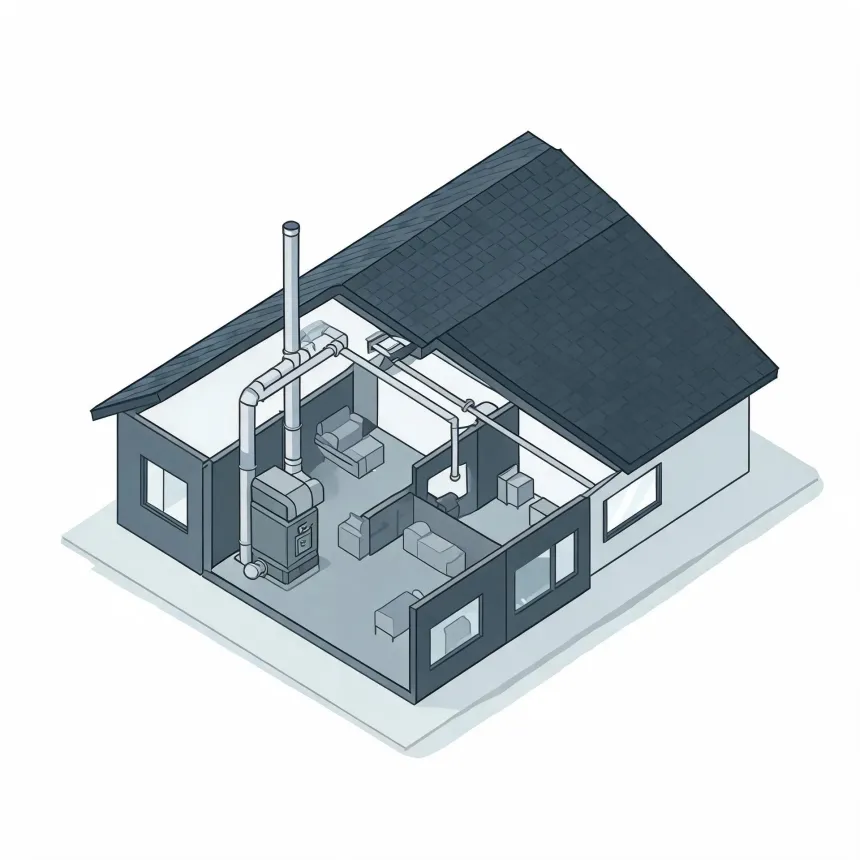
Vermont has no state license for HVAC contractors.
There is no state record to check here. Vermont does not test HVAC contractors and does not keep a registry of who does this kind of work, so a contractor's name will not show up in any state file either way.
For a repair on a heating and cooling system, that means the protection has to come from somewhere other than a state license, because Vermont does not issue one for this trade. Nothing in the state's rule stands in for it.
Source: Vermont Department of Public Safety, Division of Fire Safety
- Why is my heat not working?
- Start with the thermostat. Make sure it is set to heat and the setpoint is above room temperature, and check that it has power if it uses batteries. If the thermostat looks right, check your breaker panel and any switch near the furnace itself, since a tripped breaker or a flipped service switch will stop it cold. With winter nights here dropping to 10°F, a furnace that will not fire is not something to leave for later. If power and settings check out and it still will not run, that points to something inside the unit that needs a contractor to diagnose.
- Why is my system running but not cooling the house?
- Check the air filter first. A filter clogged with dust blocks airflow across the coil, and the coil can ice over so the air coming out feels weak or barely cool. Next check the outdoor unit and clear away any leaves or debris sitting against it, since it needs open airflow to move heat outside. If the filter is clean and the outdoor unit is clear and the house still is not cooling, the system likely has a problem a contractor needs to look at, such as low refrigerant or a failing component.
- What can I check before calling for HVAC repair?
- Check the thermostat settings and batteries first, then check the air filter and replace it if it is dirty. Look at your breaker panel for anything tripped, and check for a service switch near the indoor or outdoor unit that may have been bumped off. If the system uses a condensate drain, check that the line is not blocked or backed up, since a full drain pan will shut some systems down on its own. Vermont sees its share of winter storms and wind, and a power blip during one can leave a switch or breaker in the wrong position even after the power is back. If everything checks out and the system still is not working right, a contractor will need to look at what is going on inside it.