
HVAC Installation in Newbury, VT
Tell us about the house, and a licensed contractor who covers Orange County will get in touch.
Tell us about the job
It takes about a minute.
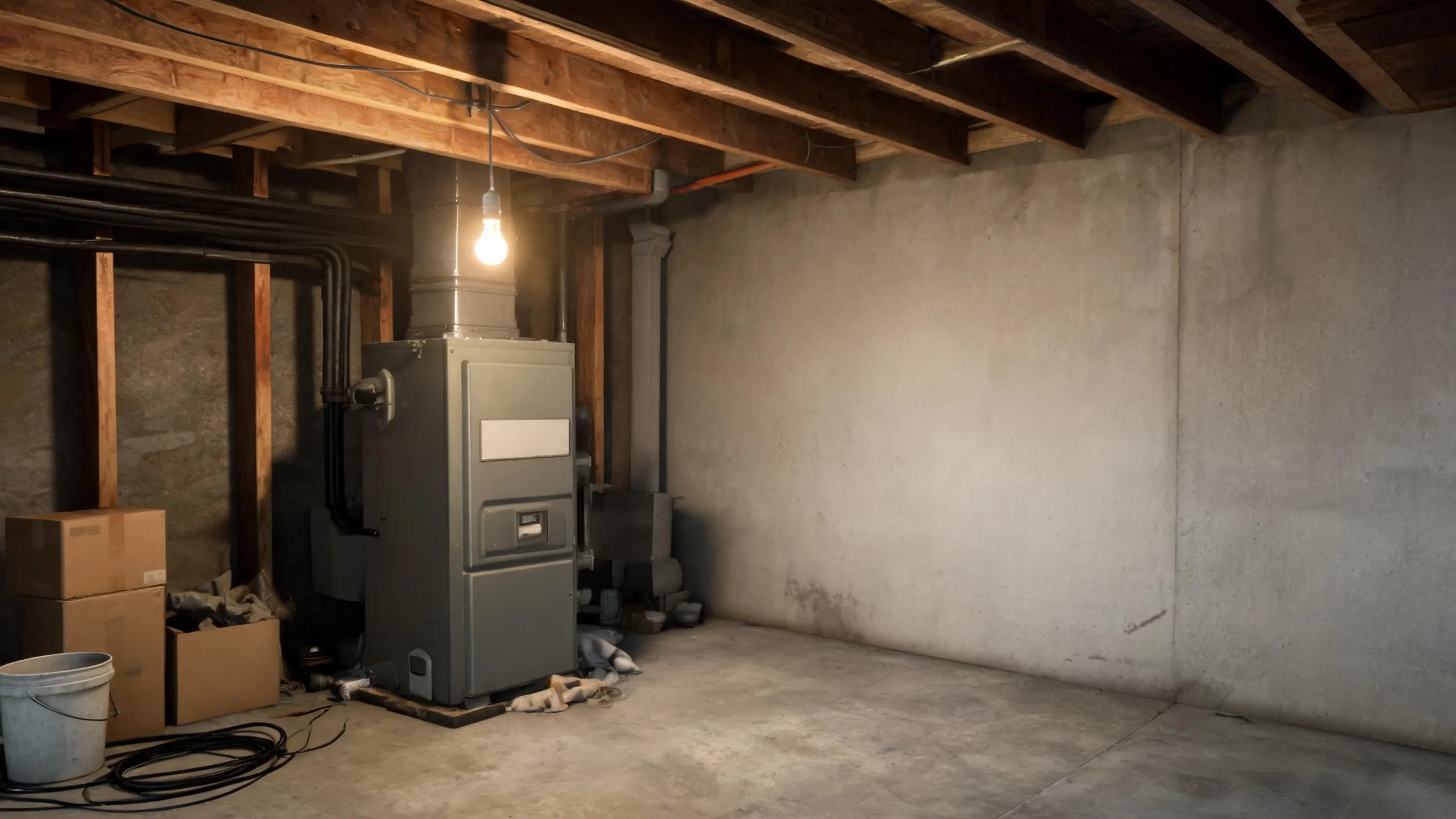
Newbury asks a lot from a heating system
Winter nights here average 11°F from December through February, and a furnace or heat pump has to hold up against that for nine months, September through May. That is most of the year spent heating, not just the cold snaps. Summer afternoons average 77°F, so cooling has little work to do here, but whatever handles the winter needs to be sized and installed for nine months of real cold, not a few weeks of it.
Power is part of the picture too. Vermont saw 38 winter storms and 51 damaging wind events over the past ten years, and 21% of households went at least 24 hours without power in 2024. A new system installed here should account for that, since a furnace or heat pump does no good sitting dark during a storm.
- 9 months
- September through May, your system heats
- 11°F
- the average winter night it heats against
- 77°F
- the average summer afternoon it cools against
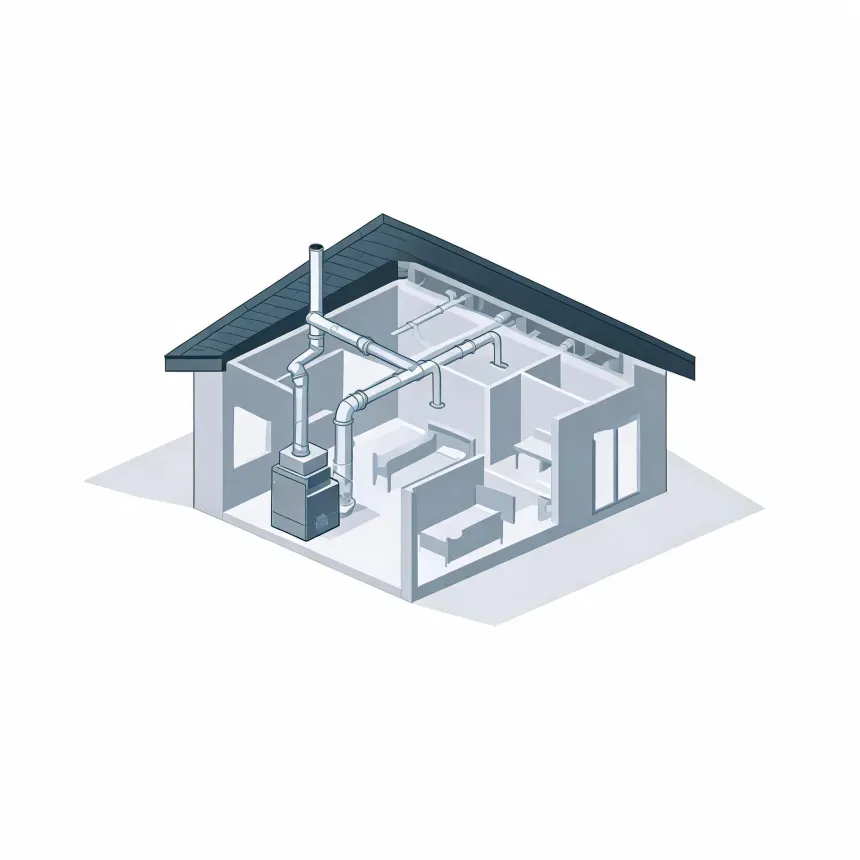
Vermont has no state license for HVAC contractors.
Vermont does not license or register HVAC contractors doing home work. There is no exam behind the name, no state number, and no state record of who did this job or whether they were qualified to. That is true whether the job is a furnace, an air conditioner or a heat pump, and it does not change based on how long the contractor has been in business.
For an installation like this, the protection comes from the local building office instead. Most Vermont cities and towns require a permit before a furnace, air conditioner or heat pump goes in, and an inspection once the work is done. That inspection is what checks the job, not a license number. It is what confirms the gas connections, the wiring and the refrigerant lines were put together the way they need to be, since that is the part of the work that can hurt someone if it is wrong.
Source: Vermont Department of Public Safety, Division of Fire Safety
- When should I replace my HVAC system?
- Replace it when repairs stop making sense or the furnace can't get through another winter reliably. In Newbury that furnace runs from September through May, and a failure during those months isn't a small inconvenience with nights averaging 11°F. Watch for a furnace that needs a repair call every season, one that's short-cycling, or one that can't hold the house at temperature anymore. If a contractor is telling you the same part is wearing out again, that's usually the sign to stop repairing and start planning a replacement.
- Should I replace my furnace and air conditioner at the same time?
- Homes in Newbury don't need cooling, so this mostly comes down to the furnace on its own. If there's no central air conditioner in the picture at all, there's nothing to pair it with. If your home does have one, matching a new furnace to an old air conditioner can still work fine as long as a contractor checks that the two are compatible before installing. The main thing to plan around here is the furnace, since it's the system doing the work most of the year.
- What happens during an HVAC installation?
- A contractor removes the old furnace, sets the new one, and connects it to the existing ductwork, gas or oil line, and venting. They'll check that the ducts and vent sizing are right for the new unit, not just reuse what was there. Once it's running, they test the system through a full cycle and check that it's venting properly and holding the temperature you set. Replacing a furnace in Vermont needs a permit from the local building office along with an inspection once the work is done, and a contractor pulling the permit will schedule that inspection as part of the job. A contractor will need to look at your house and system to price the work.